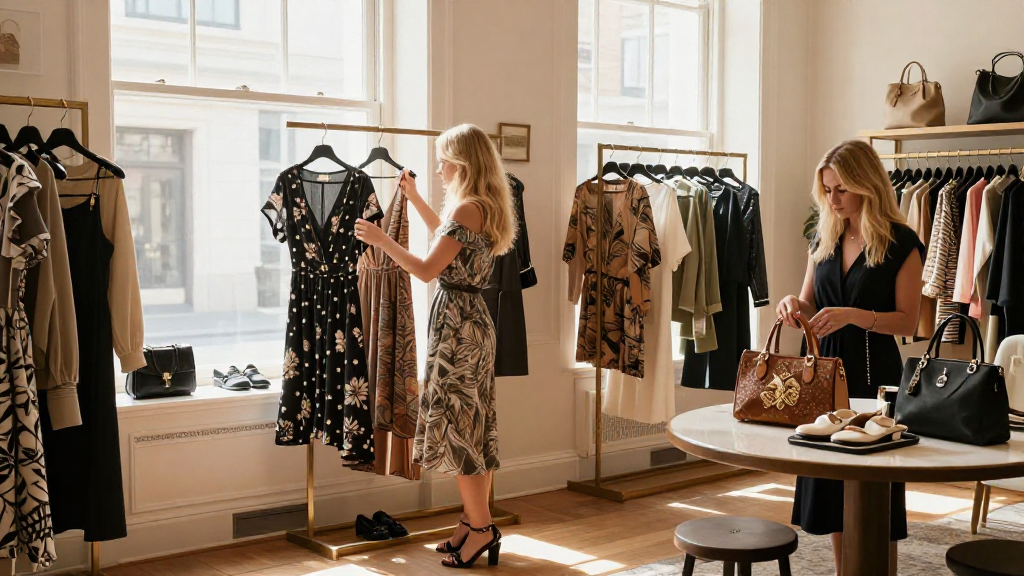
When shopping, many people may wonder about the difference between a boutique and a store.
From unique items to everyday essentials, the retail world offers a variety of shopping experiences.
Let’s dive deeper into what differentiates a boutique from a traditional store, exploring the defining features, advantages, and types.
What Defines a Boutique?
A boutique is a small and often upscale retail establishment specializing in unique, stylish products.
This can include clothing, accessories, home decor, and more.
Here are some key characteristics of boutiques:
- Limited Selection: Boutiques often offer a carefully curated selection of products.
- Personalized Service: They tend to focus on individual customer experience and personalized service.
- Unique Products: Many boutiques carry exclusive or handmade items that you won’t find in larger retail chains.
- Trendy Atmosphere: Boutiques frequently have a distinct and inviting ambiance that reflects their brand identity.
What is a Store?
On the other hand, a store is a broader term used to describe any retail establishment that sells products.
Stores can vary significantly in size and product range, from small neighborhood shops to expansive department stores.
Let’s break down some essential attributes of stores:
- Wide Variety of Items: Stores typically carry a vast assortment of products, including brands available at various price points.
- Standardized Service: Customer service in stores can be less personalized due to high employee turnover rates.
- Accessibility: Stores are often designed to cater to the average consumer in terms of convenience and pricing.
- Mass Appeal: Many stores sell popular, mainstream products that are readily available across different locations.
What Is the Key Difference Between a Boutique and a Store?
The primary difference between a boutique and a store lies in the focus, products, and customer interaction.
While boutiques emphasize personalization and unique offerings, stores focus on accessibility and a wide variety of products.
Here’s a succinct comparison:
| Feature | Boutique | Store |
|---|---|---|
| Size | Smaller, often singular location | Can be small to very large |
| Product Range | Unique, curated selections | Wide variety, including mainstream |
| Customer Service | Personalized and attentive | More standardized, less personal |
| Atmosphere | Trendy, chic, or niche | Functional and utilitarian |
Why Choose a Boutique?
Shopping at a boutique offers several advantages:
- Individuality: If you want to stand out, boutiques often carry items that are less commonly found in stores.
- Quality Over Quantity: Many boutiques focus on quality craftsmanship and materials, ensuring that products last longer.
- Support Local Businesses: Many boutiques are small, independently-owned businesses, meaning your purchases help support the local economy.
- Personal Shopping Experience: Since boutiques often have fewer customers, shoppers can enjoy a more personalized experience, with staff who are knowledgeable about their products.
Examples of Boutique Products
Boutiques can feature a variety of products including but not limited to:
- Fashion: Clothing, shoes, handbags, and accessories.
- Home Decor: Unique artworks, handmade furniture, and decorative items.
- Gifts: Special items suitable for gifting, often custom or personalized.
What Are the Advantages of Shopping at a Store?
While boutiques have their charm, there are notable reasons to consider shopping at a store:
- Convenience: Stores are usually more accessible, often located near residential and commercial areas.
- Price Range: Stores offer a broader range of prices, allowing shoppers to find something that fits their budget.
- One-Stop Shopping: Many stores provide a wide selection of product categories all under one roof.
- Frequent Sales and Discounts: Larger stores often have the ability to provide discounts, sales, and promotions, making shopping more affordable.
Examples of Store Products
Stores can carry a multitude of product categories, such as:
- Clothing: Everyday wear, footwear, and seasonal fashion.
- Groceries: Food products from fresh produce to packaged goods.
- Electronics: Devices like phones, laptops, and accessories.
- Household Items: Cleaning supplies, kitchenware, and other necessities.
Are There Hybrid Options?
Interestingly, some retail establishments blur the lines between boutiques and traditional stores.
These hybrids offer a mixture of both experiences, allowing for unique finds while still catering to a wider audience. Examples include:
- Department Stores: They typically feature sections dedicated to high-end products alongside more mainstream offerings.
- Pop-Up Shops: These temporary boutiques create unique shopping experiences with limited-time offerings.
- Online Boutiques: E-commerce platforms that operate like boutiques with curated selections available for purchase online.
Conclusion: Which One is Right for You?
In summary, understanding the difference between a boutique and a store can significantly enhance your shopping experience.
Boutiques offer uniqueness, personalized service, and distinct products, ideal for those looking for something special.
Conversely, stores provide convenience, a broad range of products, and competitive pricing, making them suitable for everyday needs.
Ultimately, the choice between a boutique or a store boils down to your shopping preferences.
By exploring both options, you can find the perfect balance that meets your needs and lifestyle! Happy shopping!