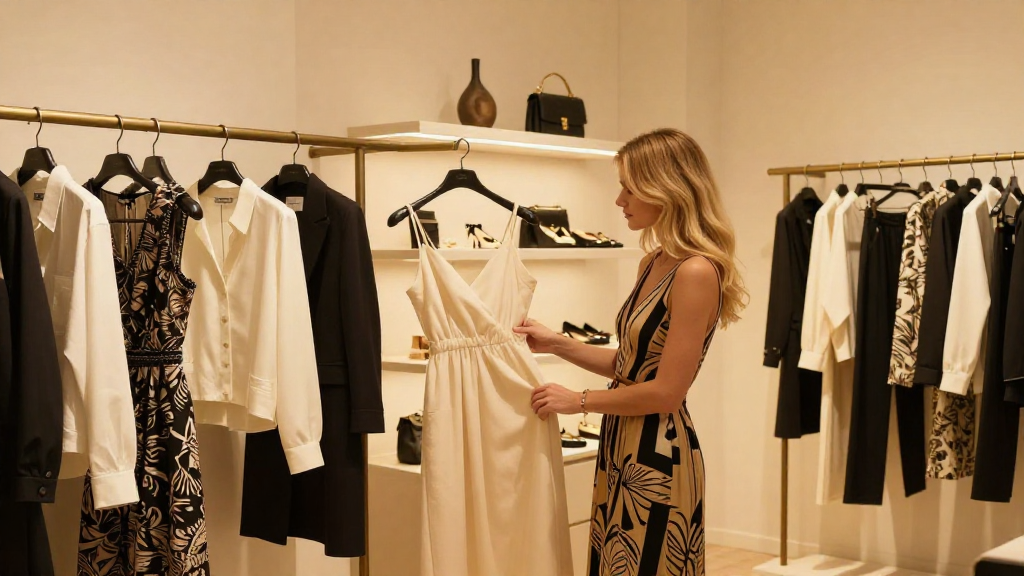
Choosing a name for your boutique is a crucial step that can determine your business’s success. If you’re wondering how to name a boutique, you’re not alone. Many aspiring boutique owners struggle to find that perfect name that resonates with their target audience while embodying their brand’s essence.
Why Is a Memorable Name Important?
A name is the first interaction potential customers have with your brand.
It sets the tone for your business and communicates your style and focus. Here are a few reasons why a memorable name is essential:
-
First Impressions Matter: An intriguing name can attract attention and create curiosity.
-
Brand Recognition: Unique names ensure your boutique stands out in a crowded market.
-
SEO Benefits: A catchy name can make search engine optimization (SEO) easier by improving your online visibility.
Understanding how to name a boutique effectively can set a strong foundation for your brand and attract a loyal customer base.
What Should You Consider When Naming Your Boutique?
When figuring out how to name a boutique, several factors come into play. Here are some points to consider:
1. Target Audience
Who are your ideal customers?
Understanding your target demographic is crucial.
-
Age Group: Tailor your name to appeal to your specific age range. For instance, a name like “Chic Teens” would resonate with a younger crowd.
-
Interests: Consider what types of products your audience is interested in. Names that reflect their passions can attract them more effectively.
2. Style and Branding
What vibe do you want to convey?
Your boutique’s name should reflect your style and brand identity.
-
Type of Boutique: Is it a vintage store, a high-end fashion boutique, or a casual clothing shop? Your name should provide hints about your offerings.
-
Brand Identity: Choose words that embody your brand’s personality. A name like “Elegant Expressions” communicates sophistication, while “Trendy Threads” suggests a modern flair.
3. Location
How can your geographical area inspire your name?
Naming your boutique after your location can enhance community engagement.
-
Local Culture: Embrace elements of the local culture and community vibes. For example, “Brooklyn Boutique” can attract local customers who feel an attachment to the name.
-
Geographical Features: Use nearby landmarks or features that resonate with your target audience. Names like “River City Styles” may evoke local pride and curiosity.
How Can You Ensure Your Name is Unique?
When thinking about how to name a boutique, ensuring uniqueness is vital to avoid confusion and legal issues. Here are some tips:
1. Conduct Research
Before finalizing a name, conduct thorough research.
-
Online Search: A simple Google search can reveal if other businesses use the same name.
-
Social Media Availability: Check if the name is available across social media platforms.
2. Domain Name Check
In today’s digital age, securing your online presence is essential.
-
Website Domain: Ensure that a suitable domain name is available. This is particularly important for establishing an online store or presence.
-
Social Handles: Check if you can secure consistent social media handles.
3. Trademark Search
To avoid legal issues, it’s wise to conduct a trademark search.
- Official Trademark Database: Look through databases to ensure that your chosen name isn’t already protected by a trademark.
What Are Some Creative Techniques for Naming Your Boutique?
If you’re still unsure about how to name a boutique, consider using creative techniques to spark inspiration:
1. Word Combinations
Mix and match words to create something unique.
-
Descriptive Words: Combine adjectives that reflect your brand’s offerings, such as “Vintage Chic” or “Sassy Styles.”
-
Language Play: Use puns or other languages. A name like “Belle Boutique” uses French to convey beauty.
2. Use Personal Inspiration
Drawing from your personal life can breed authenticity.
-
Meaningful Names: Consider names that hold personal significance or a story, such as “Nina’s Threads,” named after a beloved family member.
-
Inspirational Locations: Recall special places or experiences that resonate with you and your brand.
3. Customer Input
Engaging your target audience can also be fruitful.
-
Focus Groups: Gather feedback from friends, family, or potential customers regarding their thoughts on your name ideas.
-
Social Polls: Use social media to conduct polls on potential names.
How Can You Test Your Name Choices?
Testing your chosen names can help avoid later regrets.
1. Feedback
Seek feedback from trusted sources.
-
Friends and Family: Their insights can help clarify which names resonate.
-
Target Customers: Consider informal focus groups or surveys.
2. Pronunciation and Spelling
Your name should be easy to pronounce and spell.
-
Verbal Testing: Say your name out loud to see how it sounds.
-
Written Testing: Have others write it down to ensure they spell it correctly.
3. Visual Appeal
Consider how your name will look on signage and branding.
-
Design Mockups: Create logo mockups to visualize how your chosen names will appear.
-
Test Combinations: Consider different font styles and colors to see what works best.
What Are Some Final Tips on Naming Your Boutique?
As you navigate how to name a boutique, keep these final tips in mind:
-
Keep It Simple: A shorter, straightforward name is often more memorable.
-
Think Long-Term: Choose a name with longevity. Avoid trendy phrases that may quickly become dated.
-
Be Descriptive: If possible, let your name imply what you sell. This helps new customers quickly understand your business.
-
Trust Your Gut: Ultimately, choose a name that feels right for you. If a name sparks joy and enthusiasm, it’s likely to resonate with others, too.
Conclusion
Naming your boutique is a pivotal moment in your business journey.
By understanding how to name a boutique, considering your audience, unique factors, and creative techniques, you set the stage for success.
Whether you choose a name that reflects your style, location, or a personal story, remember that consistency and authenticity can ultimately take your brand to new heights.
Embrace this exciting process, and you’ll be well on your way to establishing a boutique that stands out in a saturated market.