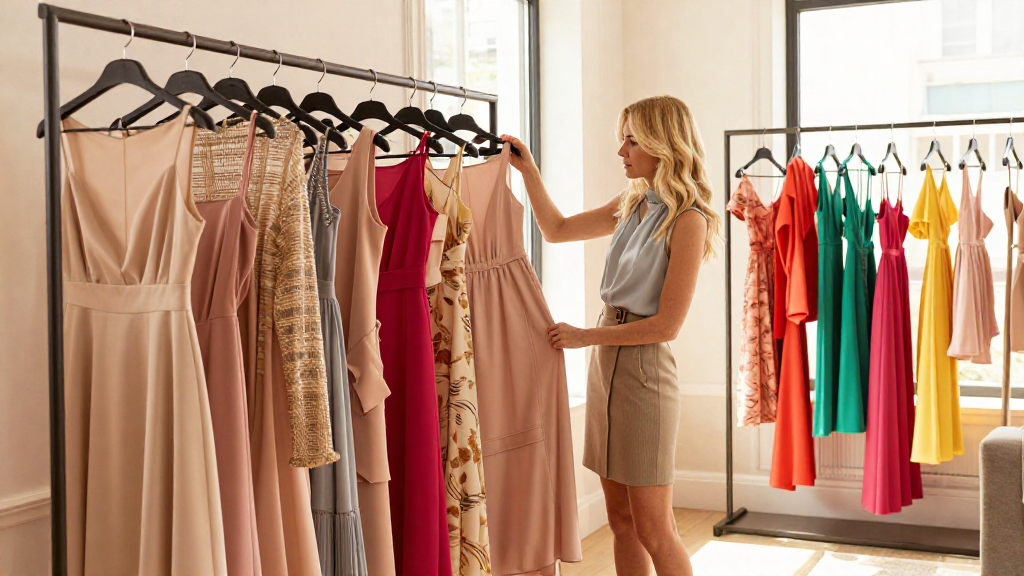
In the world of boutiques, establishing a boutique dress code policy is essential for maintaining a consistent brand image and enhancing customer experience.
What Is a Boutique Dress Code Policy?
A boutique dress code policy outlines the expectations for attire among employees and, in some cases, customers.
This policy serves several purposes:
- Brand Identity: It reinforces your boutique’s unique style and image.
- Professionalism: Ensures employees present themselves in a way that reflects the business’s values.
- Customer Experience: Enhances the shopping atmosphere through a cohesive look.
- Inclusivity and Diversity: Promotes a welcoming environment while respecting individual expression.
Why Is a Dress Code Necessary for Your Boutique?
Creating a boutique dress code policy can lead to a multitude of benefits for both employees and customers.
1. How Does It Affect Employee Morale?
A clear dress code can positively influence employee morale in various ways:
- Sense of Belonging: Employees feel like part of a team when they wear similar styles.
- Reduced Ambiguity: Clear guidelines minimize confusion about what is appropriate to wear.
- Confidence Boost: Dressing appropriately can enhance self-esteem and professionalism.
2. Can It Enhance Customer Experience?
Your boutique’s atmosphere can be significantly affected by employee attire.
- First Impressions: A well-dressed staff creates immediate trust and professionalism.
- Visual Appeal: Cohesive attire makes for an aesthetically pleasing shopping environment.
- Ease of Identification: Customers can easily recognize employees for assistance.
What Should You Include in Your Boutique Dress Code Policy?
When crafting a boutique dress code policy, it’s essential to be specific while allowing some flexibility for personal expression.
Essential Elements of a Dress Code Policy
Here are some key components to consider for your boutique dress code:
-
Dress Style:
– Define the types of clothing allowed (e.g., casual, business casual, specific brands). -
Colors and Patterns:
– Specify any color schemes or patterns that align with your brand identity. -
Accessories:
– Outline guidelines for jewelry, hats, and bags. -
Footwear:
– Mention acceptable types of shoes, such as heels, flats, or sneakers. -
Grooming:
– Set expectations for personal grooming, such as hair, makeup, and nail care. -
Seasonal Attire:
– Provide guidelines for appropriate seasonal clothing.
By including these elements in your boutique dress code policy, employees will have a clear understanding of what is expected.
How Flexible Should Your Dress Code Be?
While maintaining professionalism is crucial, allowing a degree of flexibility can foster a positive work environment.
Consider the Following Aspects:
- Cultural Sensitivity: Acknowledge and accommodate diverse cultural clothing styles.
- Individuality: Allow room for personal expression within defined guidelines.
- Feedback: Regularly solicit employee input on the dress code to keep it relevant and effective.
What Are Common Mistakes to Avoid?
When implementing a boutique dress code policy, there are several pitfalls to avoid.
Key Mistakes to Stay Clear Of:
-
Vagueness: Avoid ambiguous language that can lead to confusion.
-
Over-Restrictiveness: A too-strict policy may stifle creativity and individuality.
-
Inconsistency: Ensure that the same standards are applied to all employees.
-
Ignoring Feedback: Regularly updating your policy based on employee experiences and suggestions is essential.
How Can You Communicate Your Boutique Dress Code Policy?
Communicating the boutique dress code policy effectively is crucial for its successful implementation.
Consider These Methods:
- Orientation Sessions: Introduce the policy during employee orientation.
- Employee Handbooks: Include the dress code in employee manuals for reference.
- Visual Reminders: Create posters or digital slides outlining key points of the dress code.
- Ongoing Training: Reinforce the dress code through regular training sessions.
When Should You Revisit Your Dress Code Policy?
Your boutique dress code policy is not static; it should evolve with your business.
Key Moments to Consider Revisiting:
- Change in Brand Image: If you shift your brand identity, your dress code should reflect that.
- Employee Feedback: If employees frequently express concerns or suggestions.
- Trends in Fashion: As styles evolve, be open to adapting the dress code accordingly.
Is a Boutique Dress Code Policy Right for Your Business?
In conclusion, establishing a boutique dress code policy can significantly enhance your boutique’s professionalism, brand coherence, and customer satisfaction.
As a boutique owner, consider the following before implementing a dress code policy:
- Your Brand’s Image: Identify how attire reinforces your brand.
- Employee Input: Engage your team in discussions about the policy for better acceptance.
- Your Target Market: Understand what your customers expect from your boutique.
A well-crafted boutique dress code policy not only sets standards but also helps foster a positive and productive environment. By making these guidelines clear and inclusive, your boutique can thrive in both employee satisfaction and customer experience.
Establishing a dress code is more than just enforcing rules; it’s about creating an environment where your brand’s values shine through, and everyone feels valued and included.