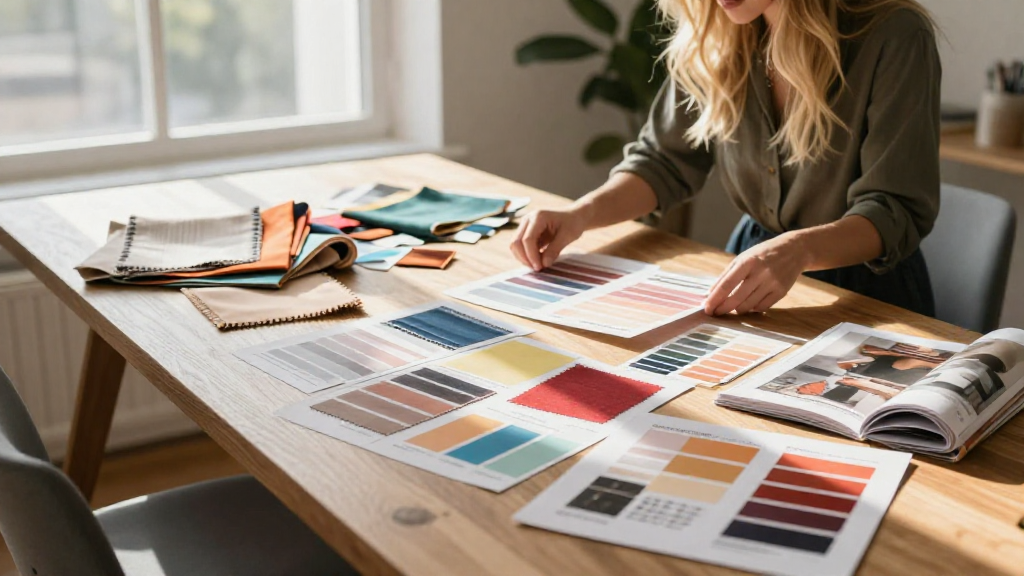
Creating a boutique mood board is an exciting way to visualize your fashion or design concepts.
Whether you’re launching a new fashion line, redesigning your store, or simply looking for inspiration, mood boards are a fantastic tool to represent your vision.
In this article, we will explore boutique mood board ideas and provide you with practical steps to help you craft a stunning concept board that encapsulates your unique style.
What is a Boutique Mood Board?
A boutique mood board is a curated collection of images, colors, textures, and materials that convey a particular aesthetic or theme.
It serves as a visual reference that brings your ideas to life.
Mood boards can be physical or digital, and they often include:
- Color Schemes: Choose colors that align with your brand identity.
- Textures: Incorporate textiles or materials that resonate with your concept.
- Imagery: Use photos, patterns, and illustrations that inspire your design.
- Typography: Select fonts that match the brand’s tone and personality.
As you assemble your elements, think about how each piece contributes to the overall theme.
The goal is to create a cohesive visual narrative that speaks to your audience.
How Do You Gather Inspiration for Boutique Mood Board Ideas?
Gathering inspiration is the first crucial step in creating an impactful boutique mood board.
Here are some effective methods to help you brainstorm and collect ideas:
-
Explore Nature:
– Visit parks, gardens, or coastal areas.
– Capture colors and textures that inspire you. -
Visit Local Boutiques:
– Pay attention to window displays and interior design.
– Take note of popular trends. -
Utilize Social Media:
– Platforms like Instagram and Pinterest are gold mines for boutique mood board ideas.
– Follow influencers and other fashion designers to stay updated on trends. -
Fashion Magazines and Blogs:
– Browse through editorial spreads for color themes and styling inspiration.
– Look for articles that resonate with your brand ethos. -
Collaboration:
– Consult with fellow creatives or team members for fresh perspectives.
– Host brainstorming sessions to generate innovative ideas.
What Tools Can Help You Create a Boutique Mood Board?
Using the right tools can enhance your mood board creation process.
Here are some tools that can streamline your design efforts:
Digital Tools
- Canva:
- A user-friendly design platform with templates specifically for mood boards.
-
Great for collaging images and adding text.
-
Pinterest:
- An excellent platform for collecting and organizing visual ideas.
-
Create dedicated boards for specific themes or projects.
-
Adobe Illustrator:
- For more graphic design-heavy mood boards, this software offers flexibility.
- Provides advanced tools for creating customized layouts.
Physical Tools
- Corkboard or Foam Board:
- A tactile way to arrange swatches, pictures, and other materials.
-
Allows for easy rearrangement until you find the perfect layout.
-
Magazines and Swatch Books:
- Cut out images and colors to create a visual collage.
-
Provides a more hands-on approach to design.
-
Sticky Notes:
- Use colorful sticky notes to jot down ideas or keywords.
- This can help you organize thoughts before finalizing the layout.
How Do You Organize Your Ideas into a Boutique Mood Board?
Once you have gathered your inspiration and selected your tools, it’s time to organize your ideas into a boutique mood board.
Here’s a structured approach to help you:
-
Define Your Theme:
– Start by identifying the central theme or message of your boutique.
– It could be anything from modern minimalism to vibrant bohemian style. -
Select a Color Palette:
– Choose a maximum of five colors that work harmoniously.
– Consider both primary and accent colors that represent your theme. -
Choose Key Images:
– Pick a few images that resonate with the theme and evoke emotion.
– Aim for diversity to showcase different aspects of your concept. -
Arrange Textures and Patterns:
– Incorporate different textures that complement your theme.
– Consider fabrics, wallpapers, and other materials that will bring your board to life. -
Add Inspirational Quotes or Typography:
– Include chic quotes or words that reflect your brand vision.
– Typography should be consistent with your boutique’s aesthetic. -
Finalize the Layout:
– Play around with the positioning of your elements.
– Ensure everything flows cohesively without being chaotic.
How Do You Refine and Finalize Your Boutique Mood Board?
After assembling your initial layout, it’s time to refine and finalize your boutique mood board.
Here are tips to ensure it meets your vision:
-
Seek Feedback:
– Share your mood board with trusted colleagues or friends.
– Ask for their impressions and suggestions for improvement. -
Make Adjustments:
– Be open to tweaking your design based on feedback.
– Remove elements that don’t fit and enhance those that do. -
Test for Clarity:
– Step back and evaluate whether the board communicates your intended message.
– It should evoke emotion and clearly represent your boutique’s essence. -
Format for Presentation:
– If you’re sharing digitally, ensure that the resolution is high enough for clarity.
– For physical boards, ensure that all elements are securely attached. -
Save and Archive:
– Save digital versions in multiple formats so you can access them later.
– Consider photographing physical boards for an easy reference.
How Do You Use Your Boutique Mood Board Moving Forward?
Once your boutique mood board is complete, it becomes a powerful tool for guiding your branding and design decisions.
Here’s how you can utilize it effectively:
- In Product Development:
- Refer to the board for inspiration when designing new products.
-
Ensure that new items align with the established theme.
-
In Marketing and Advertising:
- Use the mood board to inform your social media visuals and promotional materials.
-
Consistency in imagery will reinforce your brand identity.
-
For Client Presentations:
- Present the mood board to clients to illustrate your design vision.
-
It serves as a communication tool to align expectations.
-
For Interior Design:
- Use it when redesigning your boutique layout or decor style.
- Ensure that the physical space matches the aesthetic set by the board.
Creating a boutique mood board is a creative journey that helps encapsulate your visions and ideas.
By following these steps and using the right tools, you’ll generate boutique mood board ideas that inspire and define your brand’s identity.
With each element thoughtfully chosen and arranged, your mood board will not just be a visual representation but a roadmap guiding your boutique’s creative journey.