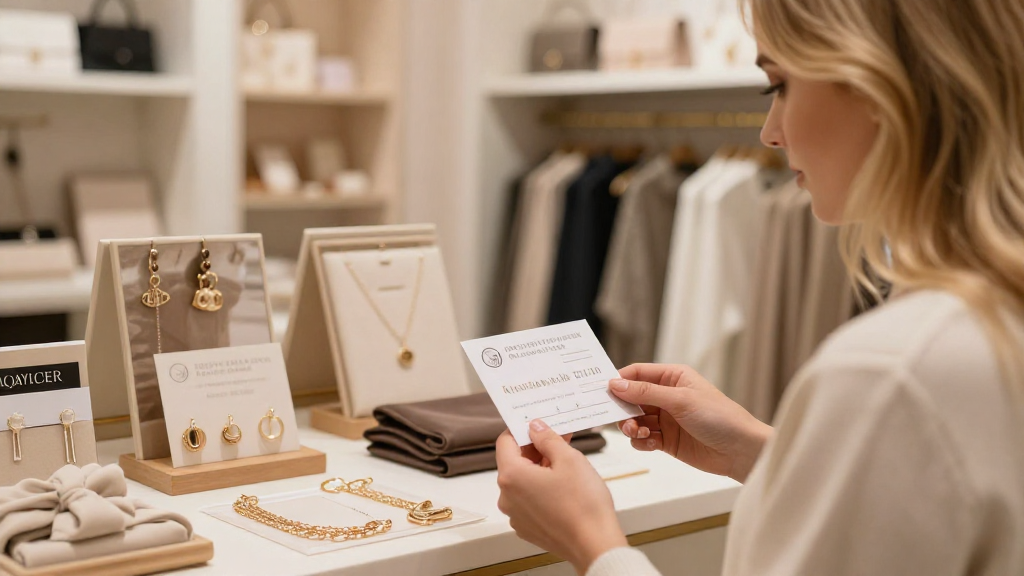
In the world of retail, boutique loyalty rewards explained can be a powerful tool for small businesses to not only attract new customers but also retain existing ones.
What Are Boutique Loyalty Rewards?
Boutique loyalty rewards are specialized programs designed by smaller retail businesses, often referred to as boutiques, to incentivize repeat purchases and enhance customer loyalty.
These programs are especially beneficial for niche markets as they create a personalized shopping experience that appeals to individual customer preferences.
Why Do Boutique Stores Implement Loyalty Rewards?
-
Customer Retention: Loyalty programs encourage customers to return to the store, providing ongoing sales and a stronger customer-brand relationship.
-
Feeling Special: Boutique loyalty rewards often make customers feel valued and appreciated, fostering an emotional connection with the brand.
-
Competitive Edge: In a saturated market, a well-structured loyalty program can set a boutique apart from larger competitors.
How Do Boutique Loyalty Rewards Work?
Boutique loyalty rewards typically work through a point-system or tier structure that integrates seamlessly into the shopping experience.
-
Points Accumulation:
Customers earn points for every dollar spent, and those points are redeemable for discounts, exclusive merchandise, or other rewards. -
Tier Levels:
Many boutiques implement tier levels, encouraging customers to achieve a higher status that offers more significant rewards. -
Exclusive Access:
Loyal customers might receive early access to new collections, special discounts, or invitations to exclusive events. -
Personalized Offers:
Information gathered through the loyalty program can lead to targeted promotions based on individual buying behavior. -
Easy Redemption:
The rewards can typically be redeemed during the next purchase or through specific promotions to keep the customer engaged.
What Are the Types of Boutique Loyalty Rewards?
Understanding the different forms of boutique loyalty rewards can help businesses tailor a program that fits their brand identity and customer preferences.
1. Points-Based Programs
Points-based programs allow customers to accumulate points based on their spending.
- Example: For every $1 spent, customers earn 1 point, and once they reach 100 points, they receive a $10 discount.
2. Tiered Programs
This model incentivizes higher spending by offering customers different levels of membership.
- Example:
- Bronze Tier: Earn 1 point for every dollar spent.
- Silver Tier: Earn 1.5 points for every dollar spent after spending $500.
- Gold Tier: Earn 2 points for every dollar spent after spending $1,000.
3. Punch Cards
An old-school method where customers receive a punch for every purchase, leading them toward a reward after a certain number of punches.
- Example: Buy 10 items, get the 11th for free.
4. Referral Programs
Referral programs reward customers for bringing in new clientele.
- Example: Get a discount for referring friends who make a purchase.
5. Experiential Rewards
These focus on providing unique experiences rather than discounts, enhancing customer engagement.
- Example: A cooking class or private shopping event for top-tier members.
What Are the Benefits of Boutique Loyalty Rewards for Customers?
Boutique loyalty rewards not only benefit the business but also enhance the shopper’s experience in several key ways:
-
Cost Savings: Customers can save money on future purchases through accumulated rewards.
-
Personalization: The program offers tailored recommendations and promotions based on their shopping history.
-
Exclusive Offers: Loyalty members receive access to exclusive sales and events, making them feel part of an inner circle.
What Challenges Do Boutiques Face with Loyalty Rewards?
While boutique loyalty rewards offer numerous benefits, they also come with some challenges:
1. Complexity
Implementing a loyalty program can be complex and may require significant time and resources.
2. Customer Participation
Success hinges on customer engagement; if they don’t see value, they may ignore the loyalty program.
3. Frequent Changes
Keeping the rewards exciting and updated can be challenging to maintain interest.
How Can Boutiques Promote Their Loyalty Rewards Program?
Promoting a loyalty rewards program is equally important as its implementation. Here are some strategies boutiques can employ:
-
In-Store Signage:
Use eye-catching signs promoting the loyalty program’s benefits. -
Staff Training:
Train staff to inform customers about the loyalty rewards at the point of sale. -
Social Media Marketing:
Share engaging posts across social media platforms showcasing rewards, events, and member testimonials. -
Email Marketing:
Send targeted email campaigns that highlight exclusive offers available to loyalty program members. -
Dedicated Landing Pages:
Create a section on the boutique’s website that details the loyalty program, including the benefits, how to join, and how to redeem rewards.
What Are Some Successful Boutique Loyalty Rewards Examples?
Several boutiques have implemented successful loyalty programs that have led to increased sales and customer satisfaction.
-
Sephora: The “Beauty Insider” program offers tiered levels with various perks, including rewards for points, early access to new products, and exclusive events.
-
Lululemon: With their “Loyalty” program, members earn points for purchases and can participate in community events and fitness challenges.
-
Starbucks: Although not a boutique, their rewards program is a prime example of successful loyalty, offering personalized rewards based on customer preferences.
Conclusion: Why Invest in Boutique Loyalty Rewards?
Understanding boutique loyalty rewards explained allows businesses to craft personalized, engaging experiences that not only attract but also retain customers.
Well-structured loyalty programs generate repeat business and foster deeper connections with customers.
In the ever-competitive retail landscape, boutique loyalty rewards can be the key to building a loyal customer base.
With tailored rewards and frequent customer engagement, small retailers can thrive in this dynamic market.
Investing in a loyalty program may require effort upfront, but the long-term benefits can significantly outweigh initial challenges.
By following best practices in program design and promotion, boutiques can create a sustainable loyalty program that resonates with their audience.
Start exploring boutique loyalty rewards today!