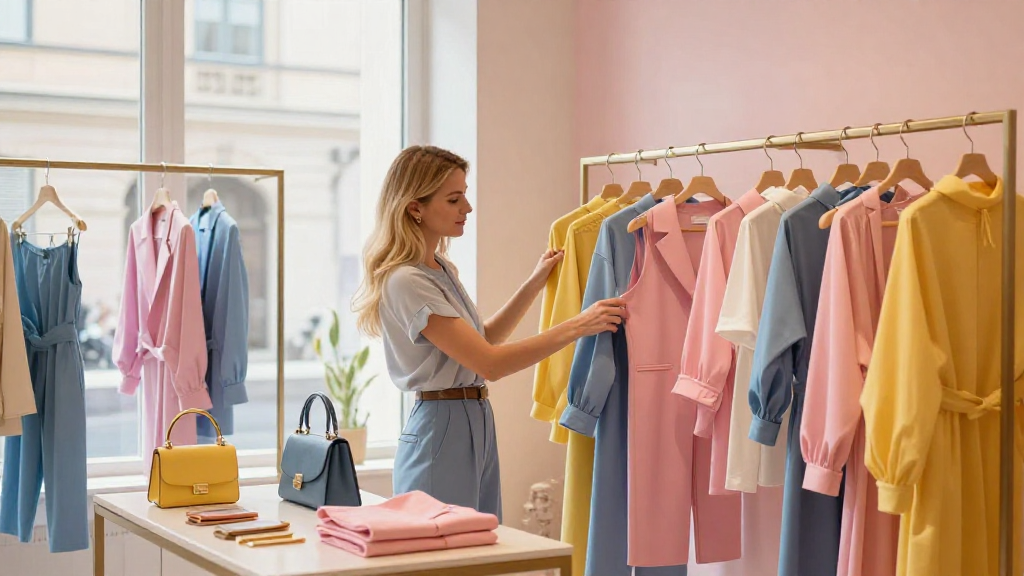
Color is more than just a visual experience; it’s an emotional one that significantly influences how we perceive brands.
In the realm of boutique branding color psychology, every hue carries a meaning and can evoke specific feelings in potential customers.
What Is Boutique Branding Color Psychology?
Boutique branding color psychology refers to the way colors impact consumer perceptions and behaviors in the context of boutique businesses.
These businesses often rely on unique selling propositions that differentiate them from larger retailers.
This differentiation is crucial because it not only captures attention but also retains customer interest.
When boutiques deliberately choose colors for their branding, they leverage color psychology to communicate their brand values, create memorable experiences, and nurture customer loyalty.
How Do Different Colors Influence Consumer Behavior?
Colors convey psychological meanings that can greatly affect purchasing decisions.
Here’s a breakdown of what various colors evoke in the context of boutique branding color psychology:
-
Red:
Evokes excitement and passion.
Effect: Good for clearance sales or seasonal promotions. -
Blue:
Signifies trust and dependability.
Effect: Ideal for boutiques that focus on quality craftsmanship and customer service. -
Yellow:
Represents happiness and positivity.
Effect: Great for attracting a cheerful customer base. -
Green:
Symbolizes health and tranquility.
Effect: Perfect for eco-friendly or health-oriented boutiques. -
Purple:
Associated with luxury and sophistication.
Effect: Suitable for high-end boutique branding. -
Black:
Denotes elegance and maturity.
Effect: Often used to attract a more sophisticated clientele. -
White:
Represents purity and simplicity.
Effect: Ideal for minimalist and modern branding.
To effectively use these psychological associations in boutique branding color psychology, boutique owners must consider their target audience’s preferences and cultural interpretations of colors.
Are Color Trends Important for Boutique Branding?
Yes, color trends play a significant role in boutique branding color psychology.
Staying updated with popular color trends can give boutiques a competitive advantage.
Outlined below are some factors that highlight the importance of color trends:
-
Market Relevance:
Colors that resonate with current trends can make a boutique appear more relevant. -
Consumer Expectations:
Customers may have certain expectations about color schemes based on current popular styles. -
Seasonal Variations:
Colors can also vary based on seasons; for example, pastels in spring and warm tones in fall.
By aligning with these trends, boutiques can strengthen their brand identity and connect better with their audience.
How Can Boutique Owners Choose Colors Effectively?
Selecting colors for your boutique brand may seem daunting, but with a strategic approach, it can lead to success.
Here are practical steps to guide you through this process within the framework of boutique branding color psychology:
-
Understand Your Brand Personality:
Define your brand’s values and what you want it to communicate to consumers. -
Research Your Target Audience:
Use surveys or social media insights to understand the preferences of your ideal customers. -
Use the Color Wheel:
Familiarize yourself with color theory, including complementary and contrasting colors, to create harmonious designs. -
Create a Color Palette:
Limit yourself to 3 to 5 colors that consistently reflect your brand’s identity across all platforms. -
Test and Get Feedback:
Experiment with different color schemes and solicit feedback from loyal customers before finalizing your selection. -
Be Consistent:
Once you have chosen your colors, use them consistently across all marketing channels—from your website to your physical store.
By incorporating these practical steps, boutique owners can make informed choices that enhance their boutique branding color psychology.
Can Color Psychology Impact Customer Loyalty?
Absolutely! The psychological effects of color contribute significantly to customer loyalty in boutique branding.
When customers feel an emotional connection to a brand’s color palette, they are more likely to return and make repeat purchases.
Here are ways color affects loyalty:
-
Brand Recognition:
Consistent color schemes improve recall. -
Emotional Connection:
Colors can invoke feelings that resonate personally with customers, fostering a bond with the brand. -
Cohesion Across Touchpoints:
A well-thought-out color scheme across multiple platforms ensures a seamless customer experience.
By understanding how boutique branding color psychology influences these aspects, boutique owners can develop a loyal customer base.
What Are the Risks of Misusing Color in Branding?
While understanding the significance of color is essential, missteps can lead to negative consequences for your boutique.
Here are some risks involved:
-
Confusing Brand Message:
Using an inappropriate or overly complex color scheme can confuse potential customers about your brand’s values. -
Cultural Misinterpretations:
Colors can have different meanings in different cultures. Misjudging these can alienate certain customer segments. -
Oversaturation:
Using too many colors can dilute your brand identity. Stick to a well-defined color palette.
To avoid these pitfalls, always be mindful of both the meanings and trends associated with colors within your niche.
How Does Social Media Influence Boutique Branding Color Psychology?
Social media can have a profound impact on how boutique branding color psychology is leveraged.
With platforms like Instagram and Pinterest prioritizing visual engagement, colors can make or break a brand’s online presence. Here’s how:
-
Content Visibility:
Eye-catching colors can grab users’ attention and drive more traffic to a boutique’s profile. -
Content Consistency:
Maintaining a consistent color scheme boosts your branding on social media, making it easily recognizable. -
Brand Storytelling:
Colors help narrate your brand’s story, enhancing emotional connections with followers. -
User-Generated Content:
Encourage customers to post photos in your boutique using your color palette to enhance brand visibility and loyalty.
Through effective use of color on social media, boutiques can capture the attention of a wider audience and establish a strong, recognizable brand.
Conclusion
In the world of boutique branding, understanding color psychology is key to creating an impactful brand identity.
By strategically choosing colors based on their psychological implications and trends, boutique owners can effectively communicate their brand values, foster customer loyalty, and differentiate themselves from the competition.
Utilizing the insights shared about boutique branding color psychology can elevate your branding strategy and create a lasting impression among consumers.
So, take the time to explore and experiment with colors that resonate with your brand’s essence, and watch your boutique thrive in a competitive marketplace.