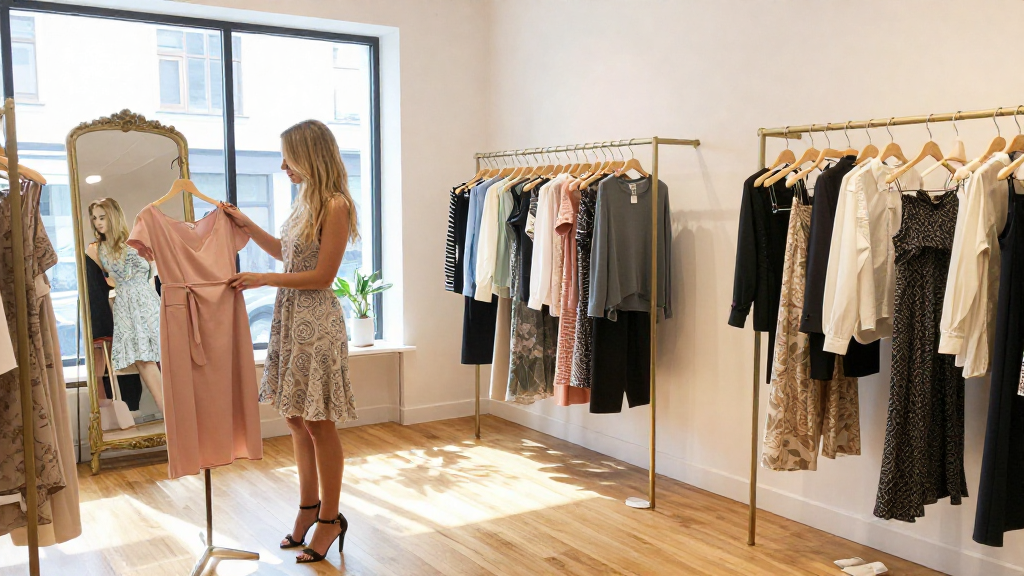
Defining your boutique clothing store concept is crucial for standing out in a competitive fashion market. It helps you create a brand identity that resonates with your target audience while ensuring a cohesive shopping experience.
What is a Boutique Clothing Store Concept?
A boutique clothing store concept goes beyond merely selling clothes; it encapsulates the overall theme, style, and vibe of your store.
This concept should reflect:
- Target market: Who are your ideal customers?
- Product selection: What types of clothing will you offer?
- Brand identity: How do you want your store to be perceived?
It’s essential to distill your vision into a clear and compelling concept that resonates with your target audience. Here’s how you can craft the ideal boutique clothing store concept.
Who is Your Target Audience?
Understanding your target audience is the foundation of your boutique clothing store concept.
Questions to Consider:
- What age group do they belong to?
- What are their shopping habits?
- What styles do they prefer?
Refine Your Audience with Demographics
Make sure to identify several demographic factors that can include:
- Age: Are they teens, millennials, or mature customers?
- Income level: Are they looking for premium or affordable clothing?
- Lifestyle: Are they professional, casual, or athletic?
By answering these questions, you can better align your boutique clothing store concept with the preferences and needs of your audience.
What Style Will Define Your Store?
Your boutique’s style is a significant part of your boutique clothing store concept.
Style Options
Consider the following options that can help define your store:
- Trendy: Fast-fashion options targeting young adults.
- Classic: Timeless, sophisticated pieces that appeal to professionals.
- Bohemian: laid-back, eclectic styles for a free-spirited audience.
- Sustainable: Environmentally friendly clothing that attracts eco-conscious shoppers.
Evaluating Your Choices
Make sure to ask yourself:
- Is your chosen style cohesive with your target market?
- Can you source inventory that matches your desired style?
Aligning your style with the right demographic will elevate your boutique clothing store concept.
What Unique Value Will You Offer?
Establishing what makes your boutique unique is essential when defining your boutique clothing store concept.
Identify Your Unique Selling Proposition (USP)
Unique Selling Proposition refers to the distinct features that set your boutique apart.
Consider these questions to define your USP:
- Do you offer personalized styling services?
- Will you carry exclusive brands not found elsewhere?
- Do you provide ethically sourced or handmade products?
By pinpointing your USP, you can better attract customers who share your values.
How Will You Source Your Products?
The boutique clothing store concept also includes finding suppliers that align with your vision.
Sourcing Options
Consider different avenues for sourcing your inventory:
- Local designers: Collaborating with local talent can foster community relationships.
- Trade shows: Attending fashion trade shows can help identify trends and suppliers.
- Online wholesalers: Many options provide access to diverse, stylish collections at wholesale prices.
Quality over Quantity
When sourcing, remember that quality should always trump quantity.
Investing in high-quality pieces can boost customer satisfaction and retention.
What Story Will Your Brand Tell?
Every successful boutique has a narrative that reflects its boutique clothing store concept.
Crafting a Compelling Narrative
Your brand story should articulate:
- How the boutique came to be
- Your inspiration for starting the business
- What values or missions drive your brand
Ways to Convey Your Story
You can share your brand story through:
- Website content: Create an engaging ‘About Us’ page.
- Social media: Use storytelling in your posts to connect with customers.
- In-store displays: Use visual merchandising to illustrate your brand narrative.
A compelling story can create emotional connections with customers, encouraging them to shop with you.
How Will You Market Your Boutique?
The next step in defining your boutique clothing store concept is determining how to market your store.
Effective Marketing Strategies
Invest in a mix of marketing strategies to reach your target audience:
- Social media: Use platforms like Instagram and Pinterest for visually-driven content.
- Email marketing: Regular newsletters can keep your customers engaged.
- Local events: Participate in community events to boost local awareness.
Analyze and Adapt
Monitor your marketing efforts, and be prepared to adapt your strategies based on performance analytics.
What Atmosphere Will You Create?
The physical space of your boutique plays a critical role in your boutique clothing store concept.
Consider Your Store Layout
Your store layout should accommodate:
- Product placement: Ensure that merchandise is easily accessible.
- Check-out experience: Design the check-out area to be efficient and appealing.
- Changing rooms: Create a comfortable space for customers to try on clothes.
Use Interior Design Wisely
Color schemes, furniture, and lighting can greatly influence the shopper’s experience.
Make sure to choose:
- Welcoming colors: Warm tones can make your boutique feel inviting.
- Functional furniture: Create a practical space for displays and seating.
- Mood lighting: Feature effective lighting to highlight key merchandise.
How Will You Measure Your Success?
Finally, defining your boutique clothing store concept means determining how you’ll measure success.
Key Performance Indicators (KPIs)
Establish clear KPIs to assess your boutique’s performance, such as:
- Sales revenue: Track revenue trends over time.
- Customer retention: Measure repeat purchases and loyalty.
- Inventory turnover: Evaluate how often your stock sells.
Continual Improvement
Regularly assess your KPIs and seek customer feedback to refine your boutique clothing store concept continually.
Finetuning your concept over time will keep your boutique relevant and engaging for your customers.
Conclusion
Defining your boutique clothing store concept is essential for building a successful retail business.
From understanding your target audience to crafting a compelling brand narrative, each aspect of your concept plays a crucial role in your boutique’s overall success.
By following the steps outlined above, you can create a unique and memorable boutique clothing store that not only appeals to customers but stands out in the competitive fashion landscape.
Your boutique is more than just a store; it’s a reflection of your passion, values, and vision—make sure that reflection is clear and meaningful!