In the competitive world of retail, effective strategies are key to driving sales and ensuring customer satisfaction.
One powerful tactic is cross-selling, especially in the context of boutiques.
In this article, we will delve into various boutique cross-selling examples that can enhance customer experience and boost sales.
What is Cross-Selling in Boutiques?
Cross-selling is a selling technique where you suggest complementary products to customers during the purchasing process.
This practice not only increases the average order value but also enhances the overall shopping experience.
Boutiques can benefit greatly from this strategy by offering curated collections that resonate with their target audience.
Why is Cross-Selling Important for Boutiques?
Cross-selling is essential for several reasons:
- Increased Revenue: When done correctly, cross-selling can significantly raise the average order value.
- Enhanced Customer Experience: Suggesting items that complement what the customer intends to buy can make their shopping experience more enjoyable.
- Brand Loyalty: By providing tailored recommendations, boutiques can build stronger relationships with their customers.
How Can Boutiques Implement Cross-Selling?
Effective cross-selling relies on understanding customer needs and preferences.
Here are some boutique cross-selling examples to consider:
1. Complementary Pairing of Clothing
Imagine a customer purchasing a pair of jeans.
As they check out, you could suggest:
- A stylish top that matches the jeans
- Accessories like a belt or scarf to enhance the outfit
- Footwear options that complete the look
This approach not only increases sales but also helps the customer envision a complete outfit.
2. Bundle Offers on Accessories
Boutiques can create bundled packages that include multiple accessories for a discounted price.
For example:
- A handbag paired with matching sunglasses
- A necklace and earrings set at a reduced price
- A skincare kit that includes a cleanser, toner, and moisturizer
Such offers can entice customers to purchase more while feeling they are getting a good deal.
3. Seasonal Promotions with Cross-Selling
During holiday seasons, boutiques can curate themed collections that encourage cross-selling.
Think about:
- A summer collection featuring beachwear, sunscreen, and sunglasses
- A winter collection with cozy sweaters, thermals, and winter accessories such as hats and gloves
Marketing these items together can capitalize on seasonal trends and drive sales.
4. Personalized Recommendations
Using customer data to provide personalized recommendations is a highly effective cross-selling strategy.
For instance:
- If a customer frequently buys eye-popping prints, suggest clothing items or accessories in similar styles.
- For loyal customers, send personalized emails recommending new arrivals that align with their past purchases.
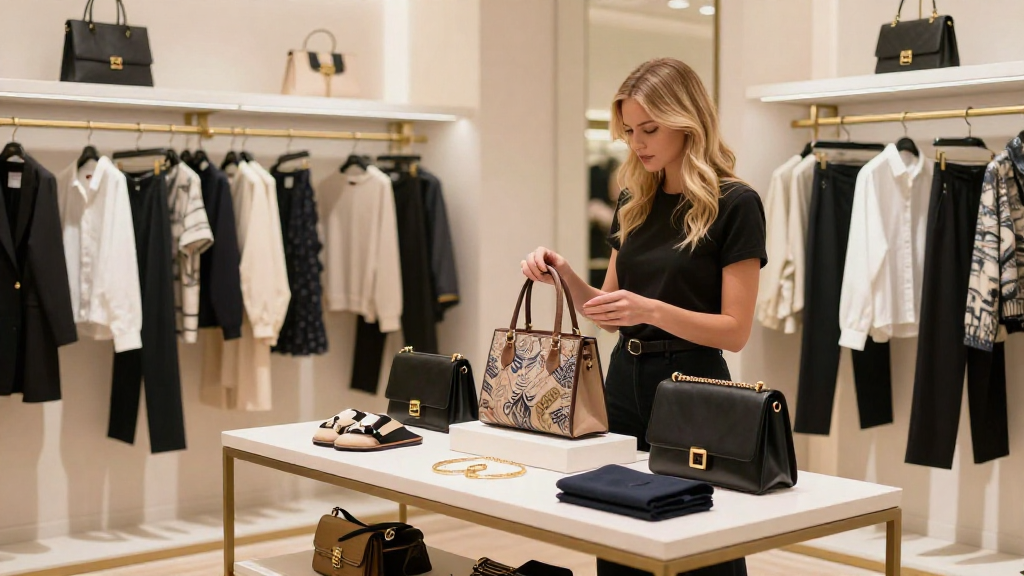
5. Cross-Selling Through Visual Merchandising
Visual merchandising can enhance the cross-selling experience within your boutique.
Here’s how:
- Create eye-catching displays that group complementary items together.
- Use mannequins dressed in complete outfits, showcasing both clothing and accessories.
- Position related products in close proximity, making them easy for customers to find and consider.
What Are Some Real-Life Boutique Cross-Selling Examples?
1. Boutique Clothing Store Example
A local boutique focuses on women’s fashion.
Here’s how they effectively use cross-selling:
- During checkout, if a shopper buys a dress, staff recommends a matching clutch and chic earrings.
- They also have a prominent display for complementary shoes near the checkout area.
2. Gifts and Home Decor Boutique Example
A boutique specializing in home decor often hosts workshops.
They cross-sell by providing:
- DIY kits that include all necessary tools and items, along with suggestions for related decor pieces.
- When a customer buys a vase, staff suggests flowers, candles, or decorative stones to enhance the purchase.
3. Beauty Boutique Example
In a beauty boutique, sales staff may use this strategy:
- If a customer buys a foundation, they also suggest a primer or setting spray.
- During seasonal promotions, they bundle makeup palettes with skincare items at a special price.
What Are the Best Practices for Cross-Selling?
To maximize the effectiveness of cross-selling in your boutique, consider these best practices:
- Know Your Audience: Understand your customer base and their buying habits.
- Train Your Staff: Education about products and effective sales techniques can increase cross-selling success.
- Focus on Quality Recommendations: Avoid overwhelming customers with too many suggestions. Tailor your recommendations to their preferences.
- Use Technology: Implement Point of Sale (POS) systems that can suggest items based on customer history and preferences.
How Can Boutique Owners Measure Cross-Selling Success?
To evaluate the effectiveness of your cross-selling strategy, track these key metrics:
- Average Order Value (AOV): Measure the average transaction amount before and after implementing cross-selling techniques.
- Customer Feedback: Gather feedback through surveys or reviews to assess customer satisfaction regarding product recommendations.
- Sales Growth: Monitor overall sales growth to determine if cross-selling efforts are making a positive impact.
Conclusion
Boutique cross-selling examples illustrate how this strategy can be a game-changer in increasing sales and enhancing customer satisfaction.
By implementing effective cross-selling techniques, boutique owners can not only drive revenue but also foster loyalty and create unforgettable shopping experiences.
Consider the examples and practices mentioned in this article as a foundation to inspire your cross-selling initiatives, transforming how you engage with your customers.
As you adapt these strategies, remember that understanding your audience and staying attuned to their needs is key to successful cross-selling in any boutique setting.