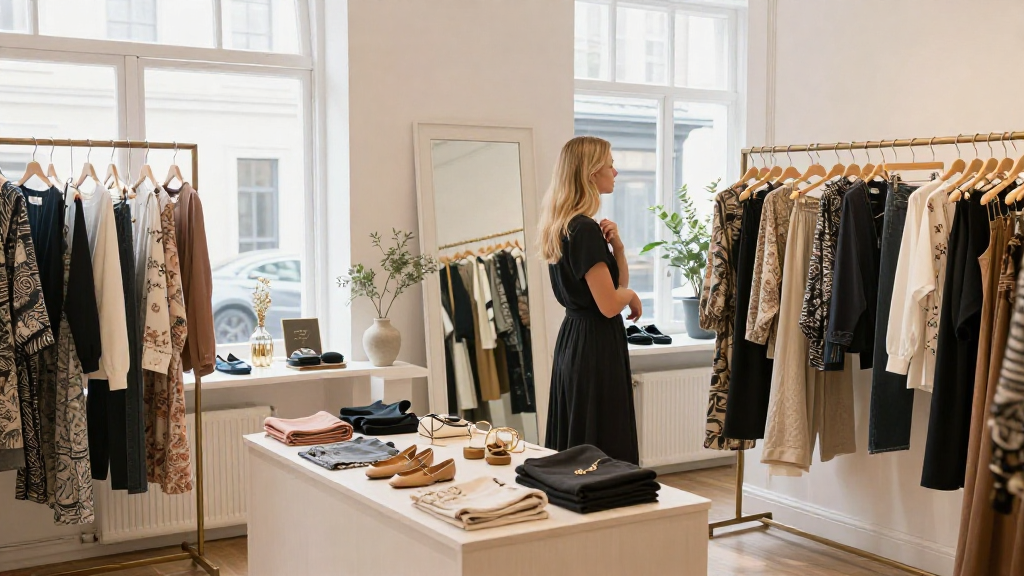
When exploring the world of fashion, retail, and unique shopping experiences, understanding the boutique definition is essential.
This article will delve into what a boutique truly is, its characteristics, and its significance in the retail landscape.
What Does Boutique Mean?
In simple terms, a boutique refers to a small, specialized retail store.
These stores often focus on a particular niche or theme, offering unique products that stand out from mainstream retailers.
Key Characteristics of a Boutique
To fully grasp the boutique definition, it’s important to recognize the unique features that set boutiques apart from traditional retail stores.
-
Limited Selection
Boutiques typically offer a curated selection of products.
This means they focus on fewer items but ensure each one is of high quality and appeal. -
Personalized Service
A hallmark of boutique shopping is exceptional customer service.
Staff often have in-depth knowledge of the products and strive to create a personalized shopping experience. -
Unique Products
Boutiques typically sell one-of-a-kind items or products from small, independent brands.
This can range from fashion and accessories to home decor and specialty gifts. -
Aesthetic Appeal
Many boutiques are known for their visually appealing layouts and decor.
The ambiance of a boutique is often designed to enhance the shopping experience. -
Community Focus
Boutiques frequently engage with their local communities, participating in events and supporting local artisans.
This helps foster a sense of loyalty and connection with their customer base.
Why Are Boutiques Important in Retail?
Understanding the boutique definition goes beyond its basic characteristics; it also highlights the role boutiques play in the retail sector.
-
Promoting Unique Brands
Boutiques often showcase emerging designers and local artisans, providing a platform for creativity.
This helps diversify the marketplace and keeps the fashion and retail scene vibrant. -
Supporting Local Economies
Many boutiques source their products locally.
This not only supports local artisans but also strengthens the economy by keeping money within the community. -
Nurturing Customer Relationships
By providing personalized service, boutiques can create long-lasting relationships with their customers.
This results in loyal clientele who return for the unique shopping experience. -
Enhancing Customer Experience
Boutiques focus on more than just selling products; they aim to create an experience for the customer.
This may include in-store events, styling sessions, and community gatherings.
Where Did Boutiques Originate?
To better understand the boutique definition, it’s useful to consider its historical context.
Boutiques have their roots in France, particularly in Paris.
In the early 20th century, small shops began to emerge, focusing on selling high-end, fashionable items.
Today, the concept of a boutique has expanded globally, evolving to encompass a variety of retail experiences.
What Types of Boutiques Exist?
Boutiques come in various forms, each catering to different customer preferences and needs.
Here are some common types of boutiques:
-
Fashion Boutiques
These stores focus on clothing, accessories, and footwear, often featuring niche or high-end brands. -
Home Decor Boutiques
Specializing in unique home furnishings, decor, and artwork, these boutiques help customers create personalized living spaces. -
Jewelry Boutiques
Offering handcrafted or designer jewelry, these boutiques often feature one-of-a-kind pieces. -
Gift Boutiques
Providing a variety of special items, from handmade crafts to artisanal food products, gift boutiques cater to those seeking unique presents. -
Children’s Boutiques
These shops focus on children’s apparel and accessories, usually featuring distinctive designs that stand out from mass-produced options.
How Can You Find a Boutique Near You?
If you’re interested in exploring boutiques, here are some tips for finding them in your area:
-
Online Search
Use search engines and social media platforms to discover local boutiques in your vicinity.
Search terms like “boutique near me” can yield helpful results. -
Community Events
Attend local fairs, markets, and craft shows, which often feature boutique vendors.
This is a great way to discover new shops and connect with local artisans. -
Word of Mouth
Ask friends, family, or coworkers for recommendations.
Often, personal experiences can lead you to hidden gems. -
Local Directories
Check local business directories or city guides that highlight unique retailers, including boutiques.
What Should You Expect When Shopping at a Boutique?
When visiting a boutique for the first time, you might wonder what to expect.
Here are some key aspects to keep in mind:
-
Warm Atmosphere
Boutiques often have a cozy, inviting feel, making you feel at home as you browse. -
Personalized Attention
Expect staff to offer assistance and personalized fashion advice tailored to your preferences. -
Curated Selection
The inventory may differ significantly from larger retail stores, offering unique and distinctive items. -
Higher Price Point
Due to the focus on quality and unique products, prices at boutiques may be higher compared to mainstream retail.
However, the value often lies in the uniqueness and craftsmanship of the products.
Conclusion: Embracing the Boutique Experience
The boutique definition encapsulates a unique retail experience that stands apart from traditional shopping venues.
With a focus on quality, customer service, and community support, boutiques have carved out an important niche in the fashion and retail landscape.
Whether you’re shopping for fashionable apparel, distinctive home decor, or unique gifts, visiting a boutique can be a rewarding experience.
Next time you’re looking for something special, consider supporting your local boutique to enjoy the charm and personality they offer.
By doing so, not only will you find unique items, but you’ll also be contributing to the local economy and promoting independent businesses.