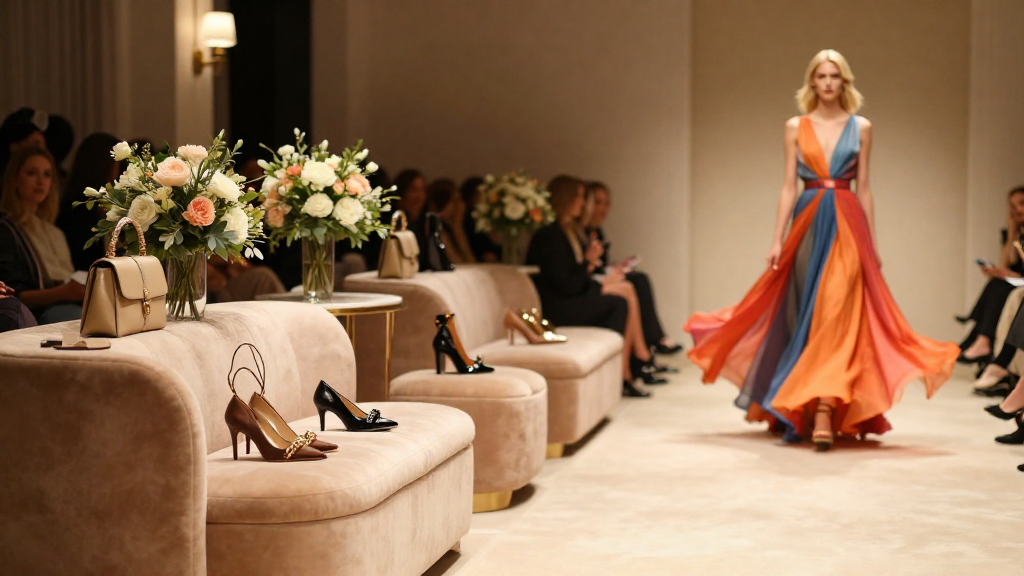
Planning a boutique fashion show can be an exhilarating experience that allows designers and brands to showcase their creativity, style, and latest collections.
In this article, we will guide you through effective boutique fashion show planning, helping you organize a memorable event that captures the essence of your collection.
What Are the Key Steps in Boutique Fashion Show Planning?
1. Define Your Goals and Objectives
Before you dive into the logistics, it’s essential to clarify the purpose of your boutique fashion show.
Are you trying to:
- Launch a new collection?
- Increase brand awareness?
- Engage with a specific audience?
Defining your goals will steer your planning process and ensure the fashion show aligns with your brand vision.
2. Create a Budget
An organized budget is crucial in boutique fashion show planning. Here are the major expenses to consider:
- Venue: Renting a space that reflects your brand aesthetic
- Models: Hiring professional models to display your line
- Production: Costs for lighting, sound, and staging
- Marketing: Promotion through social media, flyers, and other channels
Allocate funds to these areas and track your spending throughout the planning process.
3. Choose a Suitable Venue
Choosing the right venue is one of the most critical aspects of your boutique fashion show planning.
Consider these factors:
- Capacity: Ensure the venue can accommodate your expected guests
- Location: Select a convenient and attractive location to draw in your audience
- Ambiance: The venue should complement the style of your collection
Popular options include:
- Art galleries
- Rooftop venues
- Outdoor spaces
4. Curate Your Collection
Your collection is the heart of your fashion show.
Boutique fashion show planning requires you to select pieces that will make a lasting impression.
Consider these tips when curating your designs:
- Variety: Offer a mix of styles, colors, and fabrics
- Themes: Organize your collection around a specific theme or inspiration
- Highlight Key Pieces: Ensure standout items are strategically placed within the show to capture attention
5. Hire Professional Talent
From models to makeup artists, assembling a skilled team is crucial for your boutique fashion show.
Consider hiring professionals who can elevate your event:
- Models: Look for models that represent your brand’s aesthetics
- Makeup Artists: They should be able to create looks that align with your designs
- Stylists: Can assist in dressing the models for the show
6. Plan the Runway Layout
The runway is the focal point of any fashion show.
During boutique fashion show planning, consider the following aspects:
- Runway Type: Will it be straight, circular, or E-shaped?
- Seating Arrangement: Determine if seating will be formal or casual
- Accessibility: Ensure that guests can easily view the show without obstructions
7. Develop a Marketing Strategy
Effective marketing is essential for a successful boutique fashion show.
Utilize various strategies to promote your event:
- Social Media: Use platforms like Instagram and Facebook to create buzz
- Email Campaigns: Send invitations and updates to your mailing list
- Press Releases: Reach out to fashion bloggers and local publications
Engagement with your audience leading up to the event can create excitement and anticipation.
8. Prepare for Day-of Logistics
On the day of the show, many moving parts must be coordinated.
Consider these crucial logistics for effective boutique fashion show planning:
- Setup: Arrive early to ensure everything is in place
- Rehearsals: Conduct a run-through with models and crew to ensure the show flows smoothly
- Timing: Establish a clear timeline for the event to keep things on schedule
- Technical Check: Ensure sound and lighting equipment is functioning properly
9. Collect Feedback
After the show concludes, collecting feedback is vital for future improvements.
Consider the following methods:
- Surveys: Send out surveys to attendees for their opinions
- Social Media Engagement: Monitor comments and reactions posted online
- Direct Communication: Engage with key guests, sponsors, and participants to get insights
10. Follow Up
Lastly, maintain relationships established during the event.
Follow up with:
- Thank You Notes: Express gratitude to models, crew, and attendees
- Showcase Highlights: Share photos and videos from the show on social media and your website, ensuring continued engagement
What Are Common Mistakes to Avoid in Boutique Fashion Show Planning?
While boutique fashion show planning can be rewarding, it’s essential to avoid common pitfalls that might derail your event. Here’s a look at frequent mistakes to steer clear of:
1. Inadequate Promotion
Don’t wait until the last minute to start promoting your event. Building buzz gradually over time can lead to better attendance.
2. Skipping Rehearsals
Always conduct a rehearsal. This step can help identify any technical issues and give models confidence before the live event.
3. Overlooking Details
Small details can make a significant impact. Ensure everything, from runway decor to outfit preparation, is accounted for before the show.
4. Ignoring Audience Experience
Consider how guests will experience the event. Ensure comfortable seating, easy access to refreshments, and a favorable view of the runway.
Conclusion
Planning a boutique fashion show is an intricate but rewarding task.
By following these steps, you can successfully execute an event that showcases your collection while also intriguing your audience.
Remember, the essence of boutique fashion show planning lies in creativity, organization, and engagement.
Now that you’re equipped with these insights, go ahead and start planning your unforgettable fashion show today!