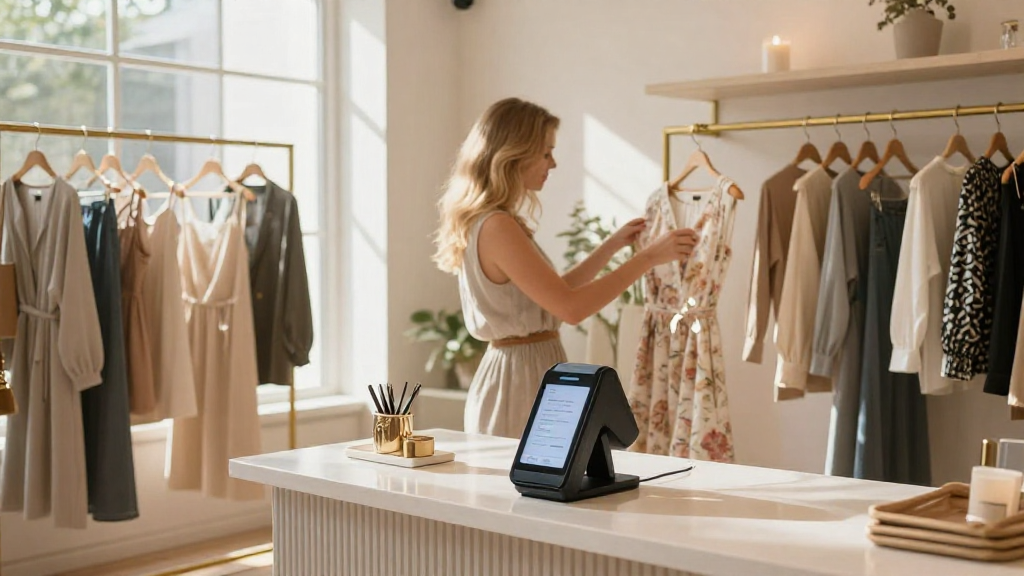
When it comes to running a boutique, understanding the various boutique payment options is essential for success. This guide provides an overview of the different payment methods available to boutique owners, helping you to choose the right ones for your business.
What are the Different Boutique Payment Options Explained?
As a boutique owner, you have several payment options to consider.
Choosing the right payment method is crucial for both customer convenience and your overall sales strategy. First, let’s delve into the most common boutique payment options:
-
Cash
– Pros: Immediate transaction, no transaction fees, and it’s universally accepted.
– Cons: Risk of theft, need for change, and less documentation for sales. -
Credit and Debit Cards
– Pros: Convenient for customers, increases average transaction value, and offers security features.
– Cons: Transaction fees and potential chargebacks. -
Mobile Payment Solutions
– Pros: Quick transactions, appeal to younger customers, and can include options like Apple Pay and Google Wallet.
– Cons: Requires a smartphone and a mobile payment reader. -
Online Payment Gateways
– Pros: Expands your reach by allowing online sales, supports multiple currencies, and offers various payment methods.
– Cons: Transaction fees and the need for a good website infrastructure. -
Buy Now, Pay Later (BNPL)
– Pros: Attracts budget-conscious customers, increases sales, and allows higher value purchases.
– Cons: Complexity in setup and potential for customer over-extension on credit.
How Does Each Payment Option Affect Customer Experience?
Understanding how each boutique payment option works can significantly impact your customers’ shopping experience.
Here’s how different payment methods play a role in customer satisfaction:
-
Cash Transactions:
Customers may appreciate the straightforward nature of cash payments, but be aware of potential delays if change is needed. -
Card Payments:
A seamless credit card process allows for quick checkouts, which most customers prefer. The option to pay with credit or debit cards usually enhances the shopping experience and can even lead to impulse purchases. -
Mobile Payments:
Offering services like Apple Pay appeals to tech-savvy shoppers, especially in urban areas where mobile usage is high. -
Online Payments:
With online shopping becoming a norm, offering various online payment gateways will cater to different customer preferences. -
BNPL Options:
Providing a Buy Now, Pay Later choice can make higher-end items more accessible to customers who may not wish to pay in full upfront. This flexibility often leads to increased sales.
What Are the Security Concerns Related to Payment Options?
Security is a significant concern for boutique owners when it comes to payment processing.
Let’s explore major security factors associated with boutique payment options:
-
Data Theft:
Each payment type has its vulnerabilities. Be aware of data breaches, especially with online transactions. -
Chargeback Frauds:
Credit and debit card transactions can lead to chargeback penalties if customers falsely dispute a charge. -
Insecure Payment Methods:
Cash is vulnerable to theft, and mobile payments may require secure devices to prevent unauthorized transactions.
How Can You Implement Boutique Payment Options?
Implementing various boutique payment options requires careful planning and investment.
Here’s a straightforward guide to help you integrate multiple payment methods:
-
Choose a Payment Processor:
Research and select a payment processor that offers the flexibility of multiple payment options, low transaction fees, and robust security features. -
Set Up an Online Store:
If you’re also selling online, collaborate with eCommerce platforms that support various payment gateways to diversify your online boutique payment options. -
Train Staff:
Ensure your team knows how to handle the different payment methods. This includes anything from cash management to processing card payments smoothly. -
Communicate with Customers:
Use signage around your store and on your website to inform customers which payment options you accept. Clear communication will enhance customer experience and avoid frustration. -
Test and Optimize:
Regularly analyze which payment options are performing best. Opt for optimizing the less popular options and consider removing those that take excessive processing time or costs.
What Are the Future Trends in Boutique Payment Options?
Technology is rapidly evolving, and it’s essential for boutique owners to stay ahead of emerging trends in boutique payment options.
Here are a few key trends to watch out for:
-
Cryptocurrency Acceptances:
As digital currencies become more mainstream, offering cryptocurrency payment options may cater to innovative customers. -
Seamless Omnichannel Experiences:
More boutiques are looking to create unified shopping experiences for consumers between in-store and online transactions. This requires integrating all payment options into one system. -
Increased Mobile Payment Usage:
With the proliferation of smartphone usage, expect to see more boutique owners adopting mobile payment options as a primary transaction method. -
Enhanced Security Features:
Payment options will continue to improve with the latest security technologies, focusing on customer data protection and fraud prevention.
Conclusion: Which Boutique Payment Options Should You Choose?
Ultimately, the best approach is to offer a variety of boutique payment options to suit your customer base.
Whether you prefer cash, credit and debit cards, mobile payments, online gateways, or new BNPL services, each option has its own advantages and disadvantages.
By understanding how each payment method can optimize the customer experience while enhancing security and ease of use, boutique owners can differentiate themselves in a competitive market.
Keep the above factors in mind, and remember to stay updated on trends in boutique payment options to reflect the evolving preferences of your customers.
The key is to maintain flexibility and continually assess what works best for your boutique.