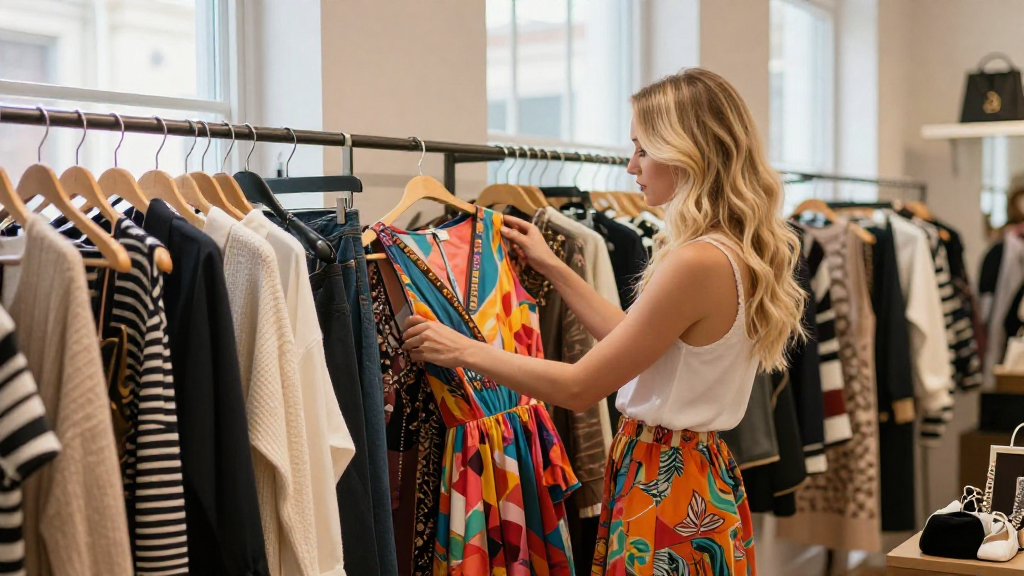
Forecasting boutique trends is essential for any designer, retailer, or anyone involved in the fashion industry.
In this article, we’ll explore the key strategies to effectively predict the shifting landscape of boutique fashion trends.
What is Boutique Trend Forecasting?
Boutique trend forecasting refers to the practice of analyzing market conditions, consumer behavior, and cultural shifts to anticipate future styles and preferences in boutique fashion.
Understanding this process is crucial for creating apparel that resonates with your target audience.
Why is Trend Forecasting Important?
Effective boutique trend forecasting allows businesses to:
- Stay relevant: Keep up with consumer preferences and ensure your offerings reflect current trends.
- Maximize profit: By anticipating what customers want, you can stock items that will sell quickly.
- Reduce risk: Understanding trends helps mitigate the risks associated with poor inventory choices.
How Can You Forecast Boutique Trends?
-
Analyze Market Data
– Study relevant sales data and market reports.
– Look for patterns that indicate shifting consumer preferences. -
Monitor Social Media
– Platforms like Instagram, Pinterest, and TikTok are invaluable for spotting emerging styles.
– Follow influential figures and brands in the boutique fashion niche. -
Engage with Customers
– Use surveys and polls to gather feedback.
– Encourage customers to express what they like through social media engagement. -
Explore Fashion Shows
– Attend local and global fashion events to see what’s trending on the runway.
– Take note of which styles are gaining traction among designers. -
Study Cultural Shifts
– Understand how social, economic, and political changes influence fashion.
– Be aware of events or movements that can impact consumer behavior.
What Tools Can You Use for Boutique Trend Forecasting?
To facilitate your boutique trend forecasting, consider employing the following tools:
- Trend Forecasting Services:
-
Companies like WGSN and Trendstop provide comprehensive reports and insights.
-
Social Listening Tools:
-
Programs such as Brandwatch can help you track conversations around fashion trends.
-
Data Analytics Platforms:
- Google Analytics and SEMrush can serve as valuable resources for understanding search behaviors.
What Resources Are Available for Trend Research?
Here are some resources that can aid your boutique trend forecasting efforts:
- Fashion Magazines:
-
Publications like Vogue and Harper’s Bazaar offer insights into emerging trends.
-
Fashion Blogs:
-
Popular blogs often highlight the latest styles and trends.
-
Pinterest and Instagram:
-
Use these platforms for visual inspiration and trend discovery.
-
YouTube Channels:
- Fashion influencers and industry insiders often share thoughts on upcoming trends.
How to Create a Trend Forecasting Calendar?
Creating a trend forecasting calendar can keep your business organized and focused. Here’s how you can build one:
-
Identify Key Dates:
– Mark industry events, fashion weeks, and seasonal changes that could influence trends. -
Set Review Periods:
– Decide how often you’ll assess trending styles (monthly, quarterly). -
Gather Data Weekly:
– Allocate time each week to gather and analyze data from your various resources. -
Adjust as Needed:
– Be prepared to pivot your strategies based on your assessments.
How Often Should You Update Your Trend Forecasts?
Updating your boutique trend forecasts should be an ongoing process.
Consider these guidelines:
- Monthly Reviews: For immediate and fast-evolving trends.
- Quarterly Reviews: For seasonal trends that require more in-depth analysis.
- Annual Overview: To see long-term shifts in consumer behavior and preferences.
Why is Customer Feedback Vital for Trend Forecasting?
Your customers are your best resource for understanding what is trending.
Utilizing their feedback helps you to:
- Identify Emerging Preferences: Customers can reveal styles they are interested in.
- Refine Product Offerings: Tailor your product line based on what customers are seeking.
- Build Loyalty: Engaging with customers enhances relationships and fosters loyalty.
How Does Visual Merchandising Influence Trends?
Visual merchandising plays a crucial role in how trends are perceived by customers. Here are some ways it impacts forecasting:
- Showcasing Trends: The way you display products can draw attention to particular styles.
- Creating Experiences: Engaging displays can set the mood and evoke emotions, helping customers connect with specific trends.
- Seasonal Displays: Changing your displays seasonally can drive interest in new collections.
How to Leverage Influencers in Boutique Trend Forecasting?
Influencers can be powerful allies in your forecasting strategy. Here are ways to leverage them:
- Collaborate on Collections: Partner with influencers to create limited-edition pieces that tap into emerging trends.
- Host Events: Organize events with influencers that showcase new styles and gather immediate feedback.
- Social Media Takeovers: Allow influencers to curate content around your brand, providing insight into their followers’ preferences.
Conclusion: Embracing Change to Stay Ahead
In conclusion, boutique trend forecasting is an essential skill for anyone invested in the fashion industry.
By continually analyzing data, monitoring cultural shifts, and gathering customer feedback, you can position your boutique to anticipate and respond to trends proactively.
In an ever-evolving landscape, embracing these forecasting strategies will allow you to stay relevant, maximize profit, and reduce risks associated with inventory management.
Action Steps to Implement Today
- Start tracking trends on social media platforms.
- Engage your customer base for feedback to boost your product line.
- Create a trend forecasting calendar to stay organized.
- Utilize tools mentioned to enhance your research processes.
With these strategies, you’ll be well on your way to mastering boutique trend forecasting and ensuring your boutique’s success in the fast-paced fashion world.