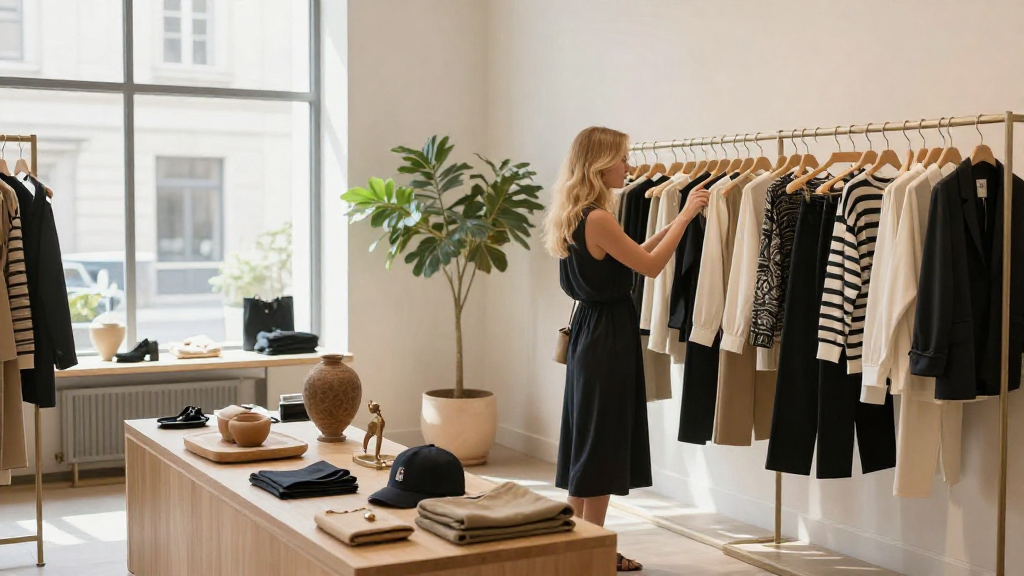
When shopping for clothing or accessories, many people wonder about the differences between a boutique vs retail experience.
Understanding these differences can help you make more informed decisions about where to spend your money and what type of shopping experience you prefer.
What is a Boutique?
A boutique is a small, often independently-owned shop that specializes in unique, high-quality items.
These shops typically focus on selective merchandise, highlighting style, fashion, and often local or artisanal products.
Some key characteristics that define boutiques include:
- Curated Collections: Boutiques usually feature a carefully chosen selection of items, which could range from clothing to jewelry and home decor.
- Personalized Service: Staff in boutiques often provide individualized attention, helping customers find exactly what they need.
- Unique Offerings: Unlike larger retailers, boutiques pride themselves on selling one-of-a-kind pieces, making them a go-to destination for fashionable shoppers.
- Local Focus: Many boutiques prioritize local designers and handmade products, contributing to local economies.
How Does Retail Differ from Boutique?
When we compare boutique vs retail, several key differences stand out.
What Defines Regular Retail?
Retail refers to larger stores, commonly found in shopping malls or online platforms, that provide a wide range of products.
These retailers can include anything from department stores to big-box chains. Here are some distinct traits you might notice in retail settings:
-
Volume and Variety: Retail stores carry a vast array of products.
This includes national and international brands, catering to a wide audience. -
Pricing Strategies: Retailers often compete on price, utilizing sales and discounts to attract customers.
-
Infrastructure: Large retail stores may have multiple departments or extensive inventories, offering customers a more generalized shopping experience.
-
Less Personalized Experience: While customer service is still essential, the shopping experience in retail often lacks the intimacy found in a boutique.
Why Choose a Boutique Over Retail?
When faced with the choice of boutique vs retail, here are some compelling reasons to choose a boutique:
Is It All About the Quality?
-
Attention to Detail: Boutique items often feature superior craftsmanship and materials.
Customers can expect unique detailing that isn’t typically found in mass-produced retail products. -
Sustainability: Many boutiques prioritize sustainable practices.
By supporting local artisans, shoppers can feel confident they are contributing to ethical fashion.
What About the Shopping Experience?
-
Personalized Customer Service: Boutique staff usually take the time to understand individual customer preferences.
This leads to a more tailored shopping experience that larger retailers may struggle to replicate. -
Exclusive Offerings: Boutiques often provide items that aren’t available through regular retail channels.
You’re more likely to find limited-edition pieces or local designers that help your wardrobe stand out.
How Does Pricing Compare?
- Price Points: While boutiques may seem more expensive, this often reflects quality, craftsmanship, and exclusivity.
In contrast, retailers aim for competitive pricing due to large-scale production.
Can You Find Unique Trends?
- Trendsetting: Boutiques usually hop on trends ahead of the mainstream, offering pieces that reflect current styles.
Retailers often wait for trends to become established, which can lead to a less unique shopping experience.
Are There Downsides to Choosing a Boutique?
Despite the benefits of shopping at a boutique, there are also some considerations to keep in mind when comparing boutique vs retail:
Availability and Convenience
-
Limited Hours: Many boutiques operate on set hours and may not be as convenient as large retailers with extended hours.
This can be a factor for some shoppers who prefer flexibility. -
Location: Boutique stores are often found in urban areas and may not be easily accessible to everyone. It’s essential to consider the location before making a trip.
Variety and Selection
- Limited Stock: While boutiques focus on exclusivity, this can mean limited sizes or colors.
If you’re looking for something specific, you may not always find it in a boutique.
How to Find the Right Boutique for You?
Selecting the perfect boutique can enhance your shopping experience. Here are some tips when navigating boutique vs retail:
What Should You Look For?
-
Research Local Boutiques: Use online directories or social media to discover shops in your area.
Many local boutiques showcase their products online, providing insights into their specialty. -
Connect with Owners: Building a relationship with the owners can lead to personalized recommendations and exclusive insider offers.
Don’t hesitate to chat when you visit! -
Customer Reviews: Check online reviews or ask friends for recommendations to find boutiques with positive feedback.
-
Attend Local Events: Many boutiques participate in community events, fairs, or markets.
This gives you a chance to experience the shop without fully committing.
Conclusion: Which One Fits Your Needs?
Understanding the differences between boutique vs retail can significantly affect where you choose to shop.
If you’re seeking unique items and a personalized experience, a boutique may be the perfect choice for you.
Conversely, if you prefer variety, convenience, and competitive pricing, a retail store may be more your speed.
Ultimately, your choice will depend on what you prioritize in your shopping experience—whether it’s craftsmanship, customer service, or availability.
So, the next time you’re considering where to spend your shopping dollars, reflect on what matters most to you. Happy shopping!