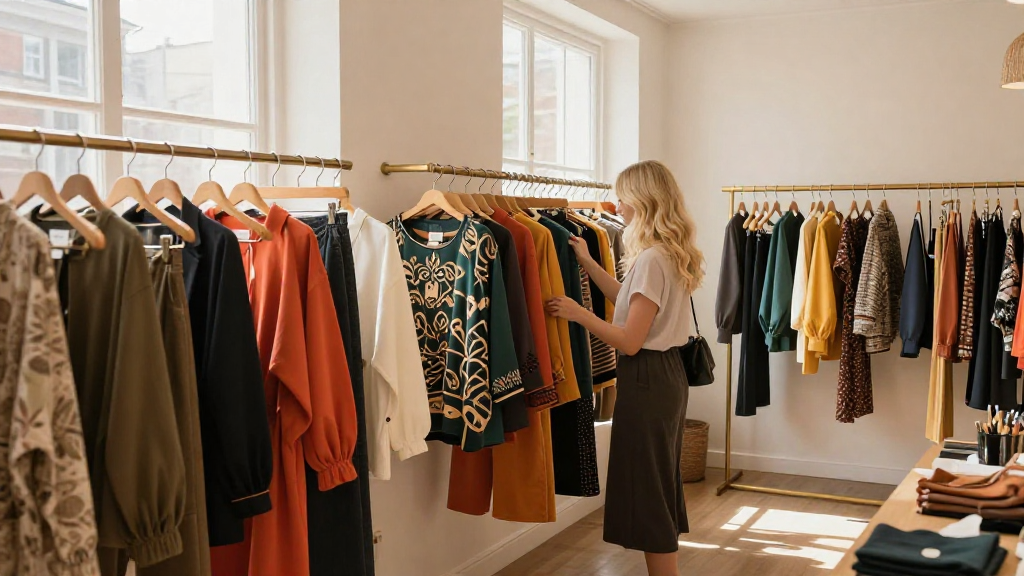
Are you wondering how to get boutique inventory for your store?
In today’s competitive retail landscape, sourcing the right inventory is essential for boutique success.
In this article, we will explore various strategies for sourcing boutique inventory effectively, helping you find unique pieces that resonate with your target audience.
What Does Sourcing Boutique Inventory Mean?
Sourcing boutique inventory refers to the process of finding and acquiring unique, high-quality merchandise that suits your boutique’s aesthetic and target market.
The goal is to offer distinct items that stand out from mass-produced retail options.
Why Is Boutique Inventory Important?
Understanding how to get boutique inventory is crucial for several reasons:
-
Unique Offerings: Boutique customers often seek unique pieces that reflect their personal style, setting your store apart from larger retailers.
-
Brand Identity: Sourcing the right inventory helps build a recognizable brand identity or theme, which can foster customer loyalty.
-
Higher Margins: Quality boutique items often offer better profit margins than lower-quality, mass-market options.
Where Can You Find Boutique Inventory?
When considering how to get boutique inventory, several avenues are worth exploring:
1. Wholesale Suppliers
Wholesale suppliers are one of the most common sources for boutique owners.
-
Trade Shows: Attend boutique trade shows, where you can find multiple vendors showcasing their collections. Look for events like the Atlanta Apparel Market or the Magic Las Vegas Show.
-
Online Wholesale Platforms: Websites like FashionGo, LA Showroom, and Tundra have extensive options for boutique inventory.
2. Local Artisans and Designers
Partnering with local artisans and designers can provide exclusive pieces for your boutique.
-
Craft Fairs and Markets: Attend local craft fairs or markets to discover unique items that reflect regional artistry.
-
Direct Collaborations: Reach out to local creators and offer to feature their designs in your store, potentially in exchange for a percentage of sales.
3. Consignment Shops
Utilizing consignment shops allows you to showcase unique items without purchasing them outright.
-
Local Consignors: Work with local designers who may want to sell their pieces on a consignment basis, taking a cut of the sales.
-
Online Consignment Platforms: Explore platforms like Poshmark or ThredUp to source gently-used boutique-ready inventory at a fraction of the retail price.
4. Online Marketplaces
Don’t overlook larger online marketplaces that offer unique goods.
-
Etsy: This is a treasure trove for handmade and vintage items. Always ensure that the sellers align with your thematic focus for effective boutique inventory.
-
eBay: Scour listings for unique items that meet your boutique’s aesthetic; however, keep quality control measures in mind.
5. Off-Price Retailers
Off-price retailers often have quality items at significantly reduced prices.
-
TJ Maxx and Marshalls: These stores sometimes have boutique-like items that can be resold in your boutique.
-
Outlet Stores: Check if brand name boutiques have outlet stores where you can buy inventory at a fraction of the retail price.
How Can You Evaluate Potential Inventory?
Once you know how to get boutique inventory, evaluating potential pieces is vital to your store’s success. Here are some key tips:
1. Understand Your Customer
-
Survey Your Customers: Use surveys to determine what styles, colors, and trends resonate with your clientele.
-
Analytical Tools: Utilize analytics tools to determine best-selling items and customer preferences to guide your buying decisions.
2. Quality Assessment
-
Material Check: Always inspect the quality of materials. High-quality fabrics and stitching are essential for maintaining a boutique image.
-
Finishings and Details: Unique finishings can set boutique items apart; ensure these details meet your quality standards.
3. Trend Awareness
-
Follow Fashion Trends: Stay updated with fashion trends by following influencers, magazines, and style blogs to source inventory that will attract more customers.
-
Seasonal Trends: Remember that what works in summer may not sell in winter, so stock accordingly.
How Should You Negotiate with Suppliers?
When it comes to sourcing boutique inventory, negotiation is key. Here’s what to keep in mind:
1. Payment Terms
-
Negotiate Bulk Discounts: Always inquire about discounts for bulk purchases, which can help reduce costs per item.
-
Flexible Payment Options: Ask for options that allow staggered payments, giving you time to sell before fully paying suppliers.
2. Minimum Order Quantities
- Negotiate Lower MOQs: Suppliers often impose minimum order quantities. Don’t hesitate to ask for lower quantities, especially when testing new products.
3. Returns and Exchanges
- Flexible Return Policies: Inquire about return policies on items that do not sell as expected, allowing you to manage your inventory more efficiently.
How Can You Promote Your Boutique Inventory?
Once you have successfully sourced your boutique inventory, effective marketing is key to boosting sales.
1. Social Media
-
Instagram and Facebook: These platforms are visually driven and perfect for showcasing your unique items. Consider using hashtags like #BoutiqueStyle or #UniqueFinds.
-
User-Generated Content: Encourage your customers to share photos of them wearing your pieces, creating authentic buzz around your boutique.
2. Email Marketing
-
Newsletters: Regularly update your subscribers on new inventory launches, offering exclusive promotions to encourage purchases.
-
Style Guides: Provide styling tips and curated looks featuring your new items to inspire customers.
3. Community Engagement
-
Host Events: Organize launch parties, trunk shows, or pop-up shops to drive foot traffic to your boutique and increase sales.
-
Collaborate with Influencers: Partner with local influencers to reach a broader audience, promoting your unique boutique inventory.
Conclusion
Now that you’ve explored how to get boutique inventory, you can confidently source unique items for your store.
By utilizing wholesale suppliers, local artisans, online marketplaces, and strategic negotiation techniques, your boutique can thrive.
Remember to assess quality, stay aware of trends, and effectively promote your inventory to grow a loyal customer base.
With these strategies in place, your boutique will stand out as a go-to destination for unique fashion finds. Happy sourcing!