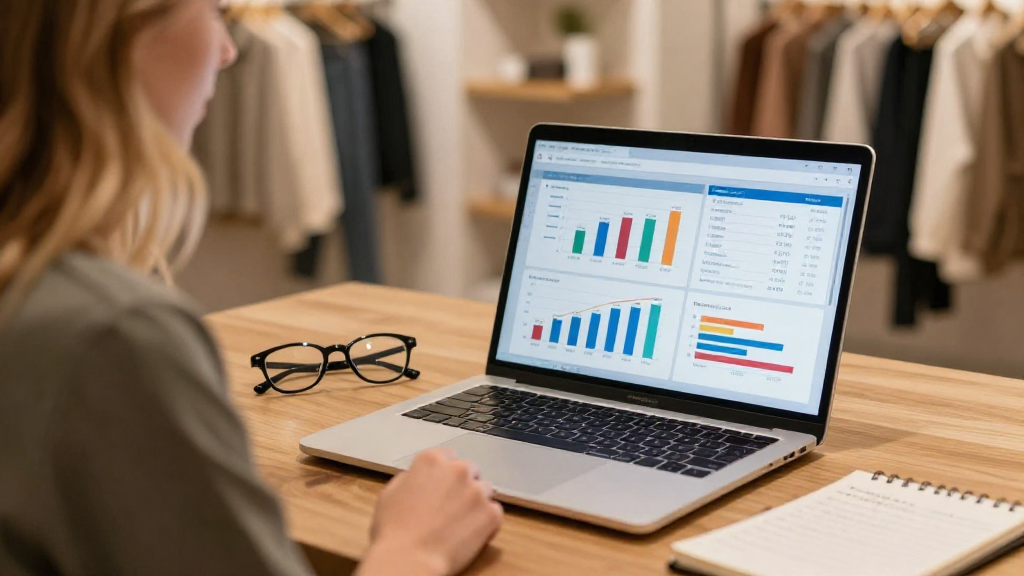
Understanding how to read boutique sales reports is crucial for the success of your retail business.
By mastering this skill, you can make informed decisions that drive sales and improve profitability.
What are Boutique Sales Reports?
Boutique sales reports are financial documents that provide insight into your store’s performance over a specific period.
These reports typically include:
-
Total Sales: Summarizes the revenue generated during the reporting period.
-
Product Performance: Breaks down sales by individual product or category.
-
Customer Data: Details demographic information and buying patterns of your clientele.
-
Trends Analysis: Highlights sales trends over time, identifying high and low selling periods.
Understanding these components will empower you to make data-driven decisions.
Why Should You Read Boutique Sales Reports?
Learning how to read boutique sales reports helps you:
-
Identify Bestsellers: Pinpoint which items are flying off the shelves, allowing you to stock up effectively.
-
Spot Trends: Recognize seasonal trends, promotions that worked, and times when sales dipped.
-
Optimize Inventory: Make informed decisions about what to reorder and what to phase out.
-
Enhance Marketing Strategies: Tailor your marketing efforts based on what your customers are buying.
How Can You Analyze Sales Data?
Analyzing sales data might seem overwhelming, but it can be simplified.
Here’s a step-by-step method for examining your boutique sales reports:
-
Start with Total Sales
Look at the overall sales figure.
How does it compare to past months or years?
This will give you an immediate sense of growth or decline. -
Evaluate Product Performance
Break down the sales figures by product.
Which items are leading sales, and which are lagging?
Identify patterns to adjust purchase orders and manage stock. -
Compare Time Periods
Analyze sales performance over different periods—weekly, monthly, or seasonally.
Did you see a spike in sales due to a specific promotion? -
Examine Customer Data
What demographics make up your customer base?
Understanding who is buying can help you tailor marketing strategies. -
Look for Trends
Identify trends in your sales data.
Are certain categories performing consistently?
Recognizing these patterns early allows for proactive management.
What Metrics Should You Focus On?
When learning how to read boutique sales reports, specific metrics are essential to monitor.
Here are some of the most important ones:
- Gross Sales: Total revenue before deductions.
- Net Sales: Revenue after discounts, returns, and allowances.
- Average Transaction Value: Total sales divided by the number of transactions.
- Sales per Square Foot: Useful for understanding the efficiency of your store layout.
- Inventory Turnover Rate: Measures how quickly inventory is sold and replenished.
Tracking these metrics will provide deeper insights into your boutique’s performance.
How Often Should You Review Sales Reports?
Regularly reviewing your sales reports is essential to staying on top of your boutique’s performance.
Consider the following frequency depending on your needs:
-
Daily Reports: Quick overview of daily sales performance to track any immediate issues.
-
Weekly Reports: Ideal for monitoring performance trends and making timely adjustments.
-
Monthly Reports: Offers a broader view, allowing for strategic planning based on solid data.
By determining how often to review your reports, you can ensure your business stays agile and responsive.
What Common Mistakes to Avoid?
While learning how to read boutique sales reports, watch out for these common pitfalls:
-
Ignoring Data Trends: Failing to recognize long-term trends can lead to missed opportunities.
-
Overemphasizing Short-Term Results: Focusing solely on daily sales may obscure the overall picture.
-
Neglecting Customer Insights: Overlooking customer demographics can limit your ability to market effectively.
-
Inconsistent Reporting: Not maintaining a consistent schedule for reviewing reports can result in missed insights.
How Can You Make Informed Decisions Based on Reports?
Once you know how to read boutique sales reports effectively, it’s time to turn those insights into actions.
Here’s how to translate data into concrete business strategies:
-
Inventory Management: Use sales data to inform your purchasing decisions.
Stock up on top-selling items and phase out those that underperform. -
Marketing Adjustments: Tailor promotions based on data insights.
If a specific demographic is buying a lot of a certain category, target your marketing efforts toward that group. -
Budgeting: Use sales forecasts to set budgets for the next period.
Anticipate high-sales months and allocate resources accordingly. -
Staffing Decisions: If certain times during the week yield higher sales, consider scheduling more staff during these peak hours.
By aligning your strategies with the insights gleaned from your reports, you’ll make more effective decisions.
Conclusion
Learning how to read boutique sales reports can significantly enhance your understanding of your retail business.
By decoding the insights from these reports, you can stay ahead of trends, optimize inventory, and create effective marketing strategies.
Remember, the key metrics to focus on include total sales, product performance, and customer demographics.
Review these reports regularly and avoid common pitfalls, and you’ll be well on your way to driving your boutique’s success.
Mastering the art of reading boutique sales reports is not just about crunching numbers; it’s about unlocking the potential of your business through informed, data-driven decisions.