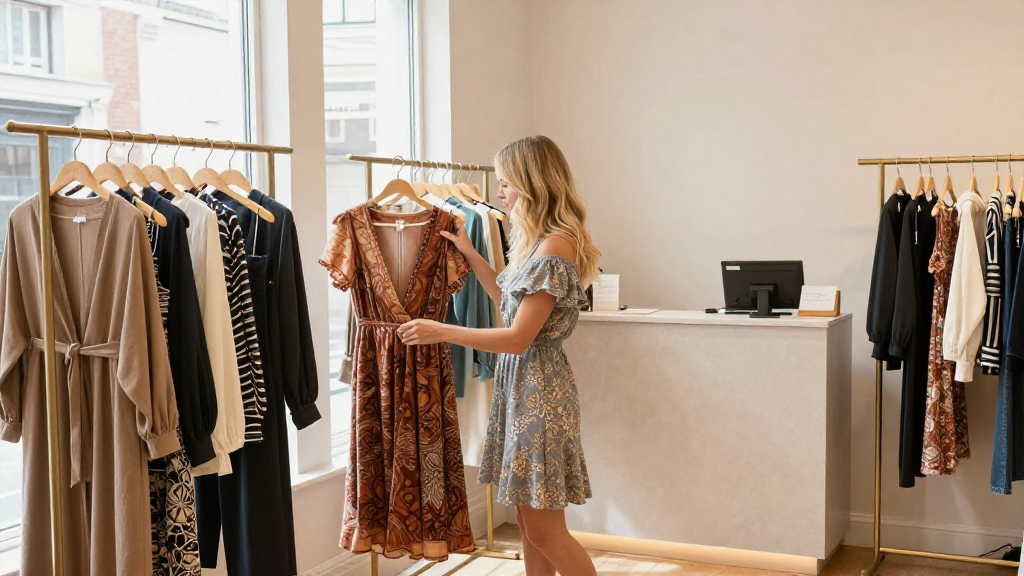
Running a boutique can be a dream for many entrepreneurs, but a common question arises: how do boutiques make money?
This article delves into diverse revenue streams, strategies, and tips that enable boutiques to thrive in a competitive retail environment.
What Are the Primary Revenue Sources for Boutiques?
When exploring the question, how do boutiques make money, it’s essential to identify the various ways they generate income. Here’s a breakdown of primary revenue sources:
-
Sales of Clothing and Accessories
Boutiques primarily make money through the direct sale of clothing, shoes, and accessories.
These items often feature unique designs or exclusive collections that attract customers. -
Online Sales
With the rise of e-commerce, many boutiques have expanded their reach by selling products online.
Websites and social media platforms provide additional avenues for generating income beyond the physical store. -
Private Labeling
Some boutiques create their own brands or private labels.
By designing and manufacturing their own products, they can increase profit margins significantly. -
Special Events and Workshops
Hosting events, fashion shows, or workshops can also be lucrative.
These can draw in customers who pay for entry or exclusive experiences. -
Membership Programs
Some boutiques offer membership programs that provide exclusive perks, discounts, or products.
This not only generates a steady income stream but also builds customer loyalty. -
Collaborations with Local Artisans
Partnering with local artisans helps boutiques curate products that are unique and appealing,
creating chances for profit sharing and promoting local talent.
How Do Boutiques Cut Costs to Increase Profitability?
To answer the question, how do boutiques make money, it’s just as crucial to consider how they manage expenses. Here are some cost-cutting strategies that boutiques can adopt:
-
Smart Inventory Management
Successful boutiques closely monitor their inventory to avoid overstocks or shortages.
Implementing effective inventory systems can help minimize waste and markdowns. -
Negotiate with Suppliers
Establishing strong relationships with suppliers can lead to better pricing and terms.
Buying in bulk or developing exclusive agreements may reduce costs. -
Limit Overhead Costs
Boutiques can control costs by negotiating favorable lease terms or selecting affordable locations.
Additionally, minimizing staff turnover through effective training and employee engagement can reduce hiring costs. -
Utilize Social Media for Marketing
Instead of a large advertising budget, boutiques can leverage social media to build brand awareness and reach potential customers.
Engaging posts and promotions on platforms like Instagram and TikTok often yield impressive results at minimal expense. -
Embrace Multi-Channel Selling
Selling products through various channels like marketplaces or pop-up shops allows boutiques to expand their customer base without incurring significant costs.
Often, these additional channels require less investment compared to maintaining a full brick-and-mortar presence.
What Marketing Strategies Help Boutiques Succeed?
Boutiques also make money by implementing effective marketing strategies. Here are several that can significantly impact a boutique’s bottom line:
-
Building a Strong Brand Identity
Developing a unique brand helps boutiques stand out.
This includes having a consistent voice, visual style, and customer experience that resonates with the target audience. -
Engaging Content Marketing
By producing informative or entertaining content, such as fashion tips or behind-the-scenes stories, boutiques can attract more visitors.
Blogs, videos, and newsletters help build relationships and keep customers coming back. -
Utilizing Influencer Partnerships
Collaborating with influencers can increase visibility and credibility.
Influencers can introduce a boutique to their followers, driving new traffic to both online and offline stores. -
Running Seasonal Promotions
Seasonal sales, discounts, or limited-time offers can draw customers in and create urgency.
Effective promotion during key holidays or seasonal changes can boost revenue substantially. -
Customer Loyalty Programs
Incentivizing repeat purchases through loyalty programs encourages customers to return.
Offering points or discounts for repeat business can foster lasting relationships with shoppers.
How Do Boutiques Build Customer Relationships?
The question how do boutiques make money also extends to customer retention.
Boutiques thrive through personalized customer service and a strong community connection.
Here are ways to build those essential relationships:
-
Personalized Shopping Experiences
Offering personalized styling sessions or tailored recommendations can enhance the shopping experience.
Customers appreciate attention to detail and are more likely to return. -
Engagement Through Social Media
Regular interaction on social media helps boutiques stay on customers’ radar.
Responding to comments, sharing customer photos, and hosting online contests can increase engagement. -
Sending Personalized Emails
Sending tailored emails regarding new arrivals or exclusive offers can entice customers to visit the store.
Email marketing remains a cost-effective method to keep customers informed and connected. -
Creating a Community Atmosphere
Hosting local meet-ups or fashion events fosters a sense of community.
When customers feel connected to a boutique, they are more inclined to remain loyal. -
Listening to Customer Feedback
Taking feedback seriously and implementing suggestions shows customers that their opinions are valued.
This feedback loop can improve service and product offerings, boosting customer loyalty.
What Challenges Do Boutiques Face?
Understanding how do boutiques make money also involves recognizing the challenges they may encounter. Boutiques must navigate various difficulties to maintain profitability:
-
Market Competition
Large retailers and online giants dominate the market, requiring boutiques to differentiate themselves through unique offerings or exceptional customer service. -
Changing Fashion Trends
Rapidly shifting consumer preferences can leave boutiques with unsold inventory.
Keeping a pulse on trends and consumer desires is essential for success. -
Economic Fluctuations
Economic downturns can impact discretionary spending, resulting in decreased sales.
Versatility and adaptability in product offerings can help counteract this risk. -
Supply Chain Disruptions
Unforeseen shortages or delays in acquiring products can affect sales.
Diversifying suppliers or adjusting ordering practices may mitigate risks. -
Rising Operating Costs
Rent, utilities, and employment costs are ever-increasing, squeezing profit margins.
Streamlining operations and finding cost-saving measures are crucial to maintaining profitability.
Conclusion: How Do Boutiques Make Money Successfully?
In conclusion, how do boutiques make money encompasses various strategies, ranging from innovative marketing and adept inventory management to excellent customer service.
By understanding these factors, aspiring boutique owners can craft a successful business model.
Focusing on unique products, building strong customer relationships, and adapting to market challenges will pave the way for not only surviving but thriving in the boutique industry.
With the right strategies, boutiques can remain financially viable while delivering exceptional value to their customers.